Painting on Leather

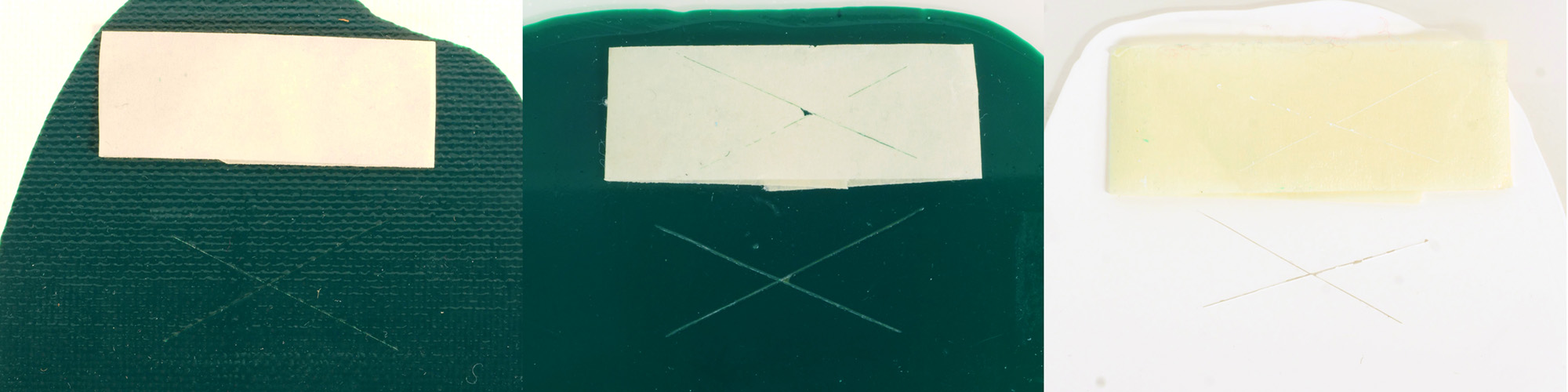
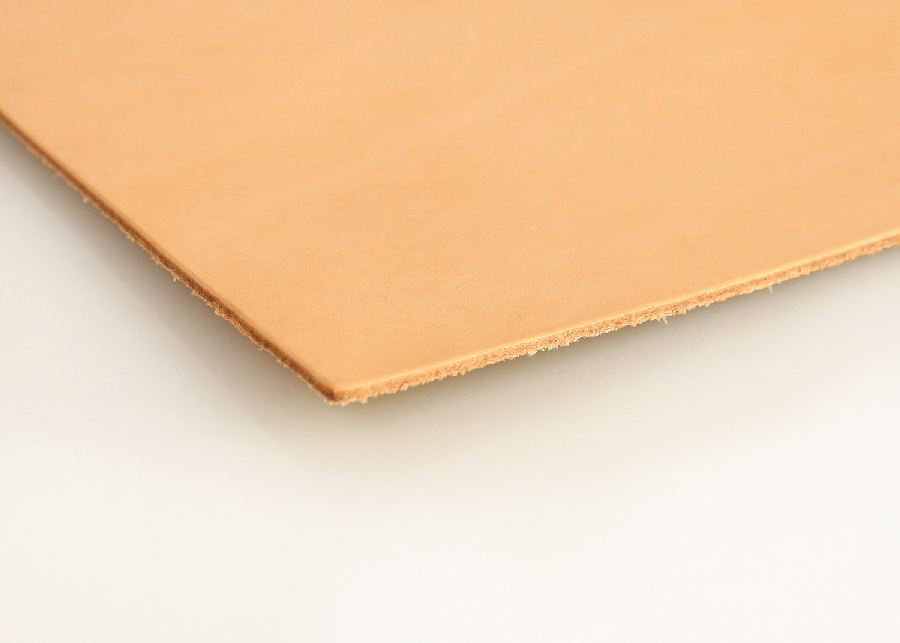
Leather Leathers and finishes vary greatly.  So, testing an area or similar materials before beginning is highly recommended. Bend and stretch the test mimicking normal wear.  If cracking appears in testing, then follow the instructions for adding GAC 900 to acrylics for softness as recommended in the article linked below.

[ Continue Reading... ]

Painting on Hardboard

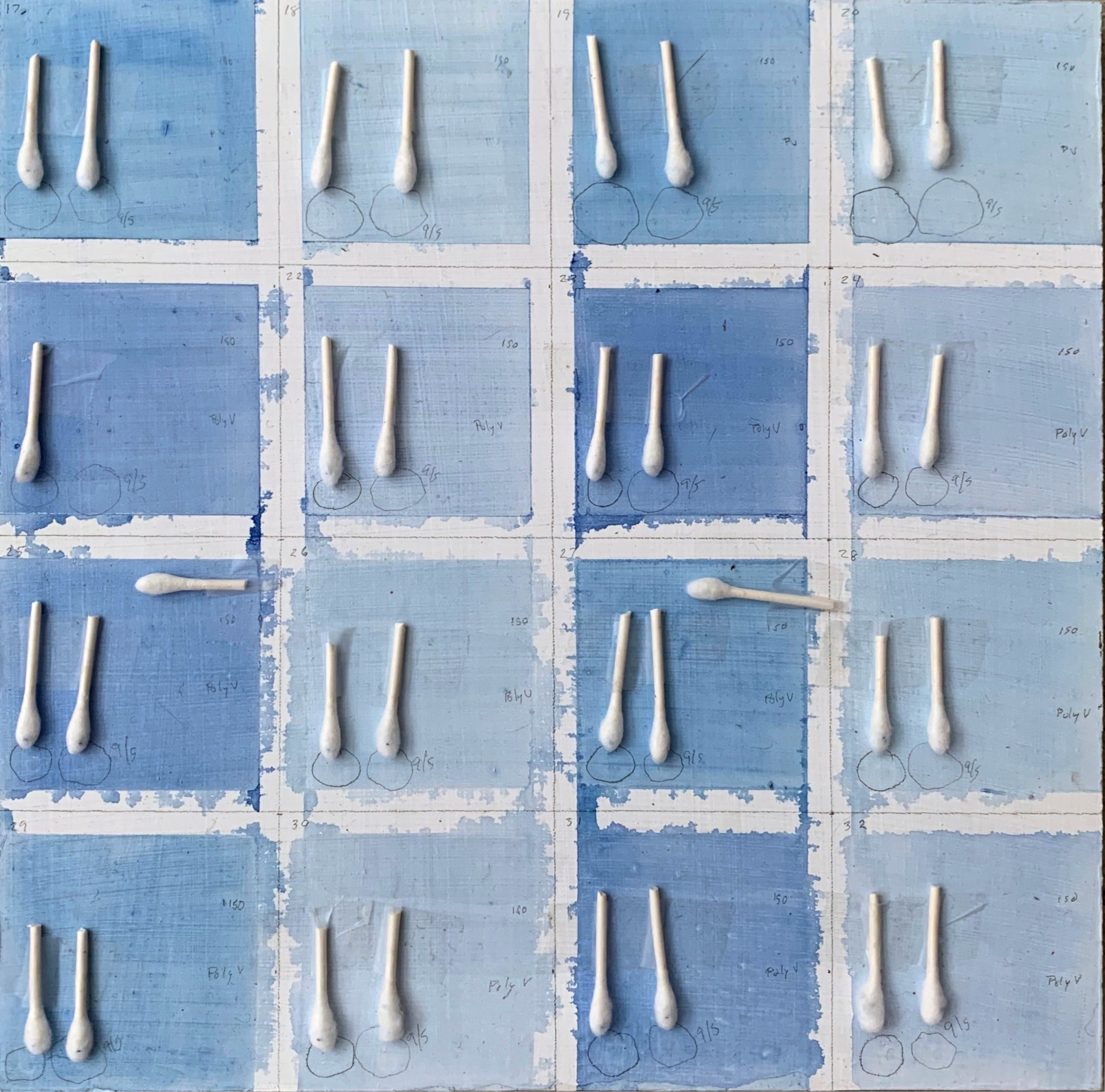
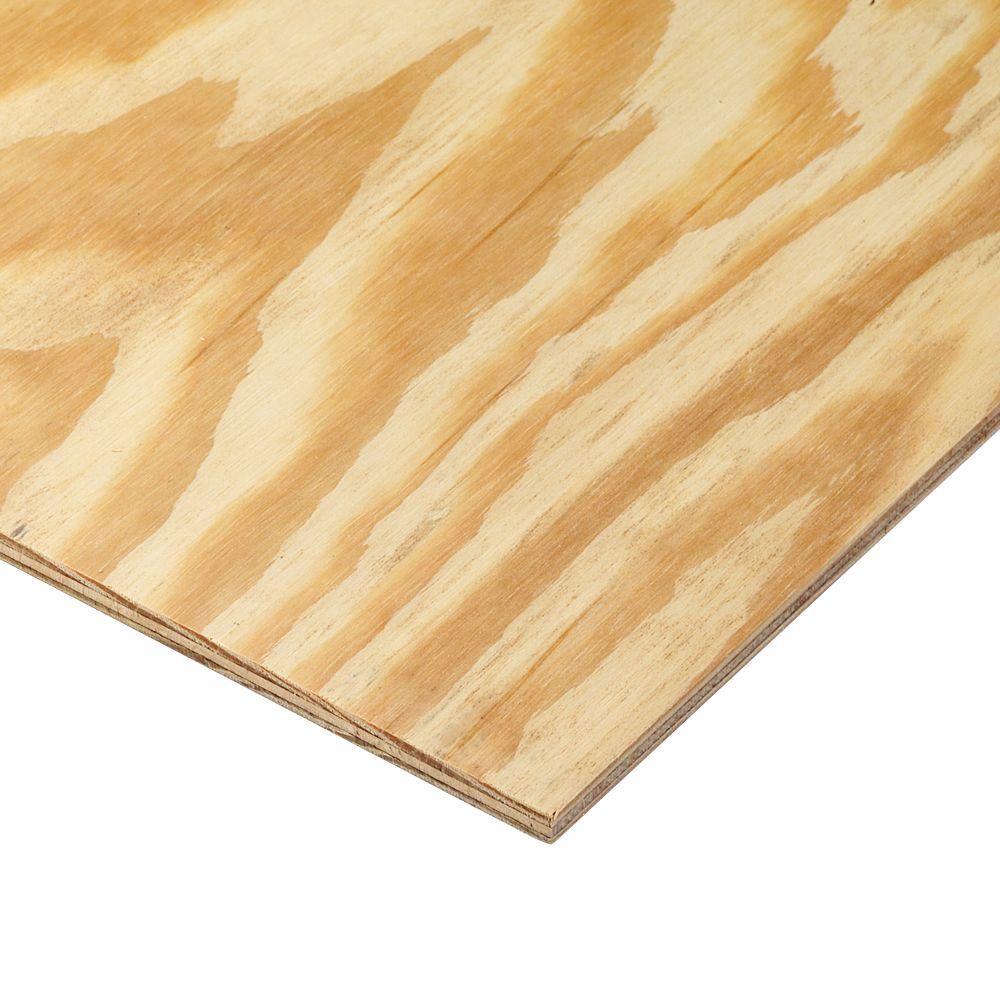
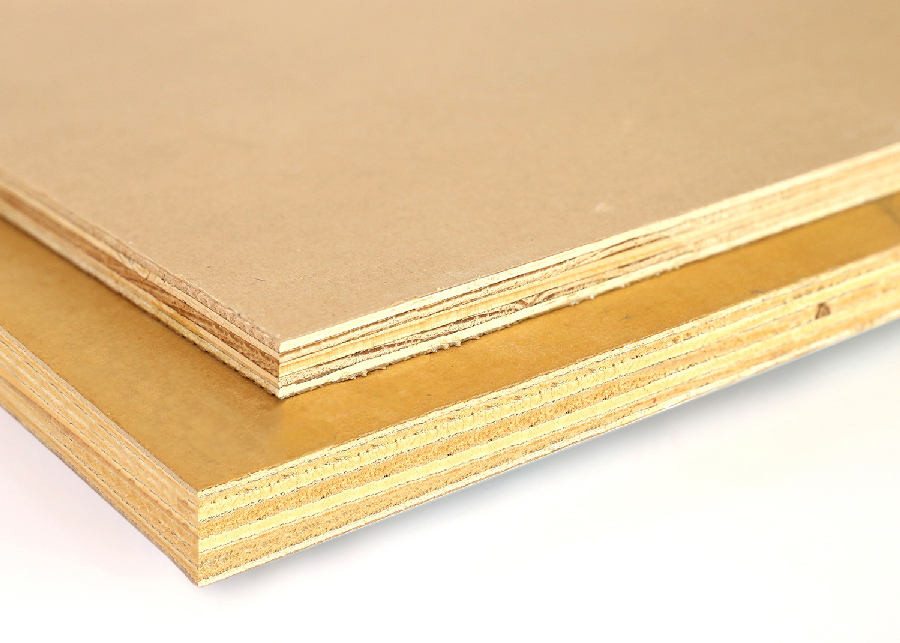
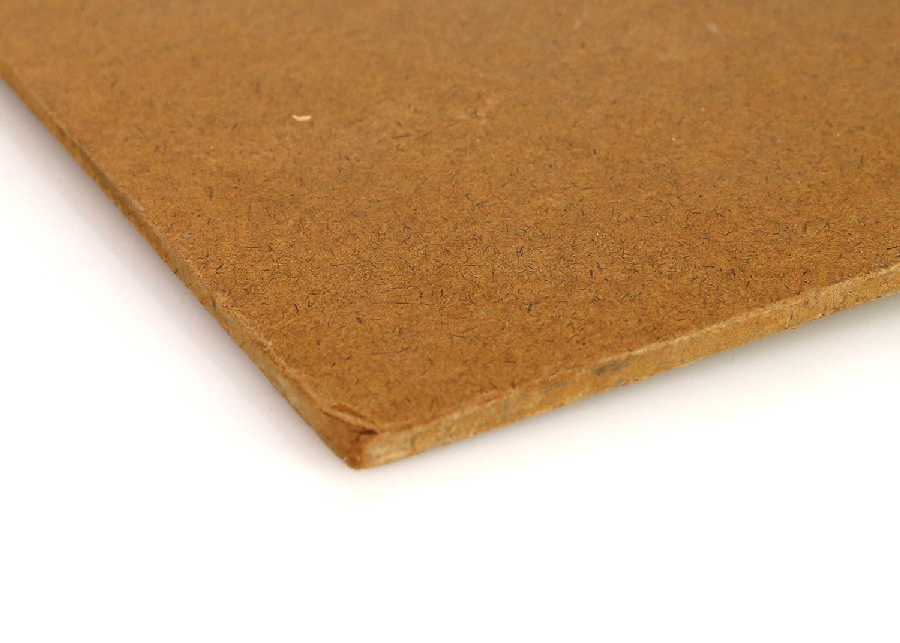
Hardboard: Wood pulp fibers and binders are formed under extreme pressure and heat.  These products can be susceptible to moisture. Although you can draw or paint directly on the hardboard panel with oils and dry drawing media, we recommend a barrier for most applications. When painting with any acrylic paint,

[ Continue Reading... ]

Painting on Sketching and Drawing Paper

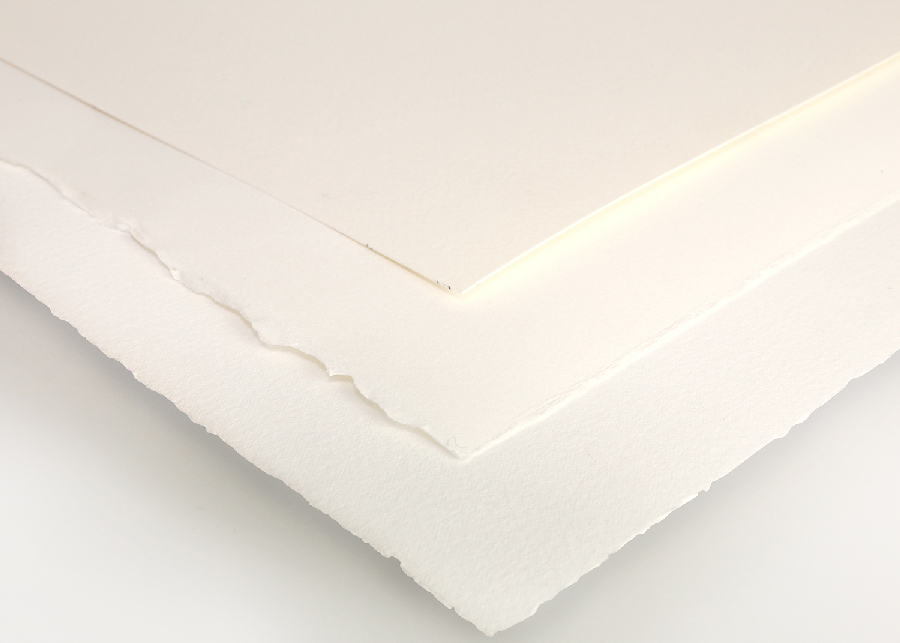
Sketching and Drawing Paper These papers vary widely. Thicker ones are less prone to buckling with water media. For best results, use the media as recommended by the paper manufacturer and test. When working on these types of papers, acrylics, watercolors, and dry drawing media, a barrier is not required.

[ Continue Reading... ]

Painting on Unprimed Artist Panel

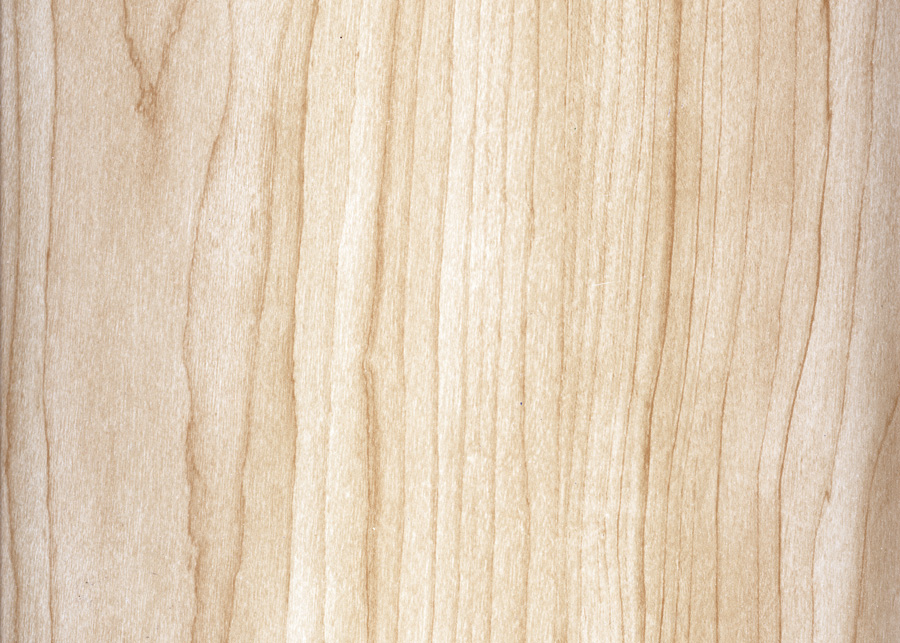
These products are typically found in art supply stores and are generally a good option; kiln dried, relatively stable, and engineered for this purpose. Although, you can draw or paint directly on the wood panel with oils, watercolors, or dry drawing media, we recommend a barrier for most applications. When

[ Continue Reading... ]

Painting on Bristol

Bristol This is an uncoated machine finished paperboard popular with illustrators. Bristol varies widely. Thicker ones are less prone to buckling with water media. For best results, use the media as recommended by the paper manufacturer and test. When working on these types of papers, acrylics, watercolors, and dry drawing

[ Continue Reading... ]

Painting on Printmaking Papers

Printmaking papers Paper varies widely and some will have no sizing. Thicker ones are less prone to buckling with water media. For best results, use the media as recommended by the paper manufacturer and test. When working on these types of papers, acrylics, watercolors, and dry drawing media, a barrier

[ Continue Reading... ]

Painting on Handmade Papers

Handmade papers Papers vary widely. Thicker ones are less prone to buckling with water media. Follow the recommendations for media by the manufacturer. For best results, use the media as recommended by the paper manufacturer and test. When working on these types of papers, acrylics, watercolors, and dry drawing media,

[ Continue Reading... ]

Painting on Corrugated Cardboard

Corrugated Cardboard Made from a combination of Kraft paper, recycled pulp, and sizes or glues, cardboards among one of the most common paper products in use. When working on these types of papers, acrylics, watercolors, and dry drawing media, a barrier is not required. However, when painting with oils on

[ Continue Reading... ]

Painting on Linen (Raw, Unprimed)

Linen (Raw, Unprimed). Contents and qualities of these fabrics vary widely.  The density and weave along with natural materials, chemicals, and sizing in these fabrics can directly influence its performance. Although acrylics and dry drawing media can work well directly on raw or unprimed linen, we recommend a barrier for

[ Continue Reading... ]

Williamsburg Alkyd Resin and Extender Medium

Mediums are important additions to the oil painter’s toolbox. They modify the feel of paint, change the surface sheen, build or reduce viscosity, and in some cases, can be the driving factor behind the aesthetic of a work. Williamsburg Handmade Oil Colors Alkyd Resin can be mixed with oil paints

[ Continue Reading... ]
css.php