
Fabric Painting with Acrylics and GAC 900
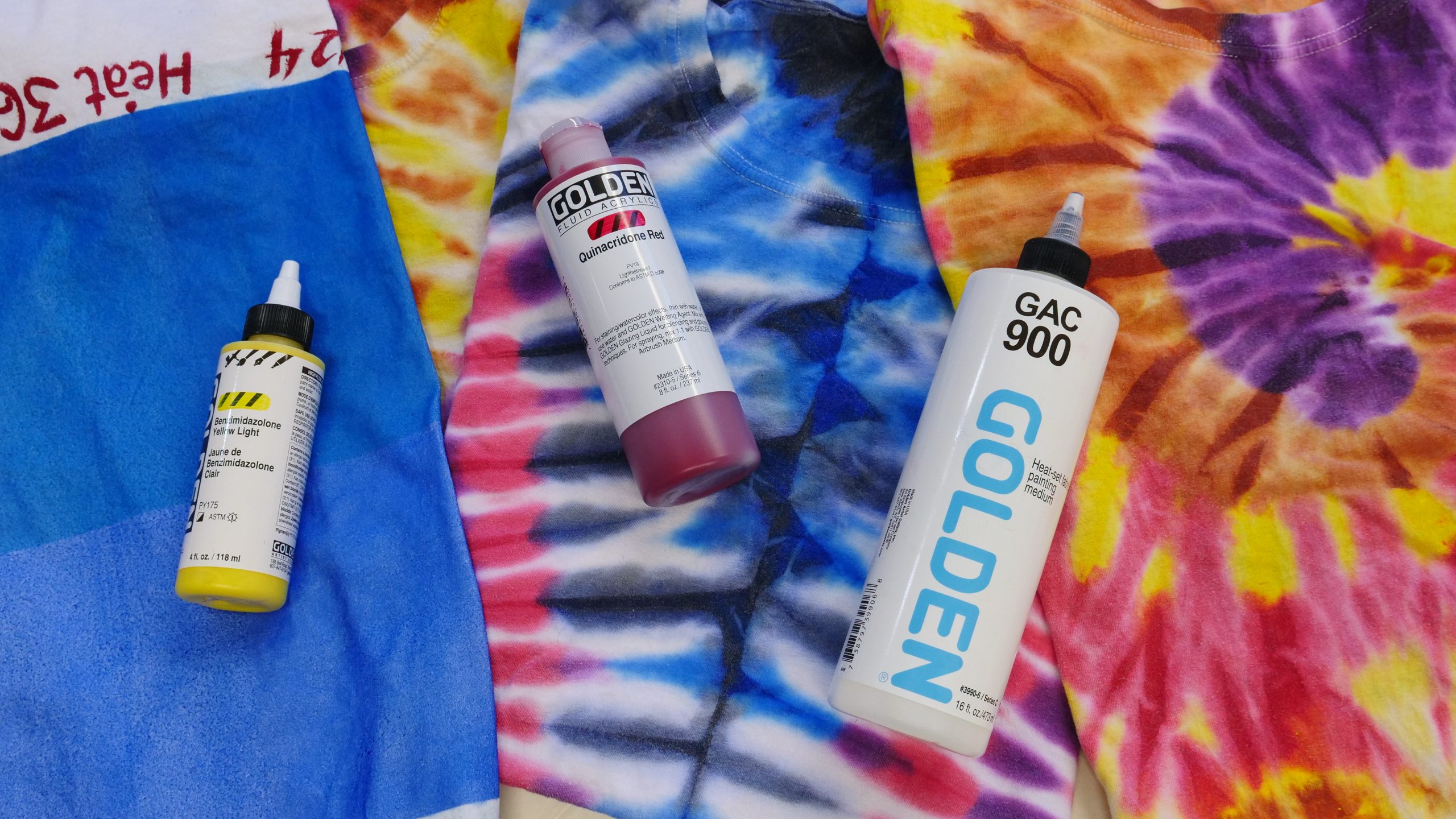
Fabric painting using your acrylic paints and GOLDEN GAC 900 are great for creating wearable artwork. Lean what products to use for your favorite techniques.
In a previous JustPaint article, we explored the effectiveness of several commonly used spray fixatives to secure PanPastel artwork. Only one was non-aerosol, the SpectraFix Degas, which contains water and alcohol instead of solvents and propellants. This fixative uses a pump-sprayer called the Flairosol, and although this sprayer works quite well, it loses pressure when ... Read more
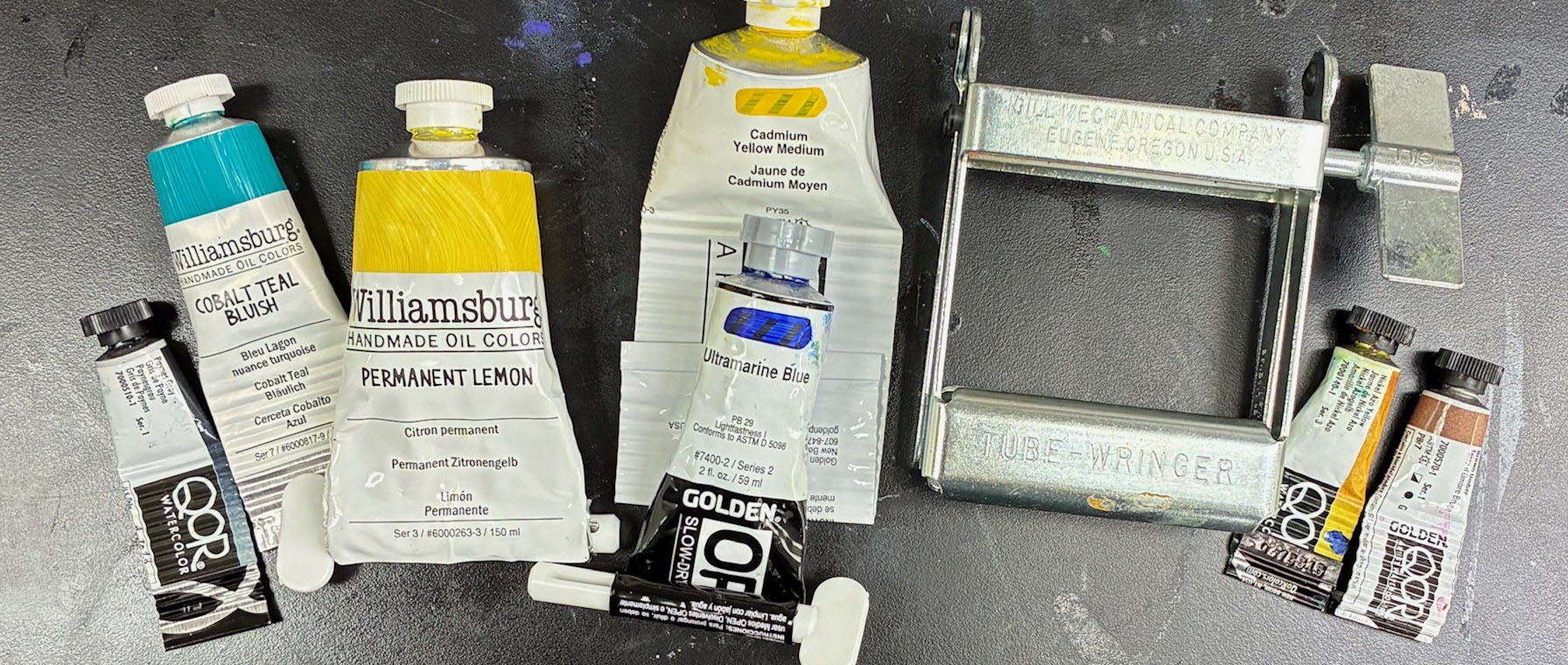
(Or, how to keep your tubes from turning into tiny, paint-filled fossils) Let’s be honest—during the heat of painting, “tube maintenance” isn’t high on anyone’s list. We’re more likely to lose the cap than to carefully twist it shut. But once the flurry of creation settles, taking a few minutes to give your paints ... Read more
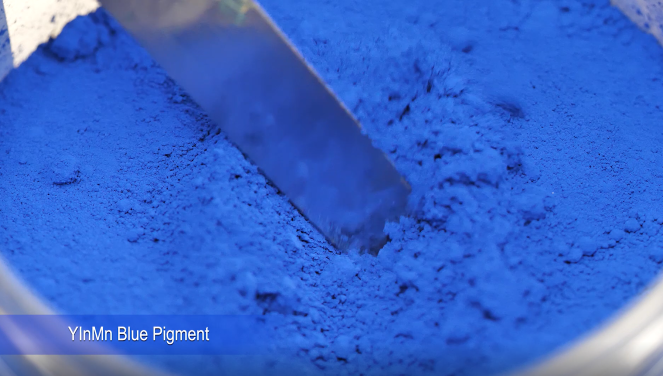
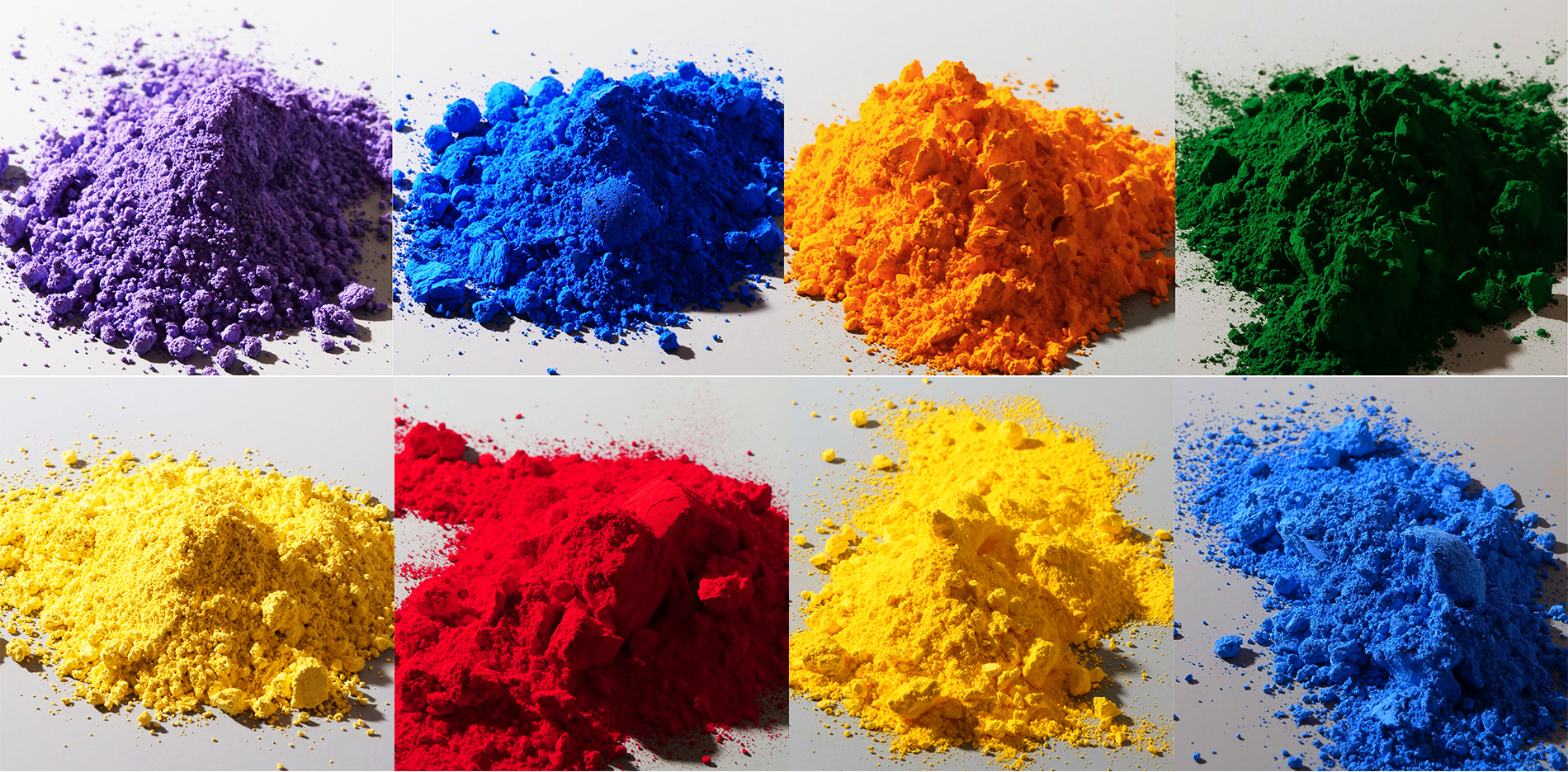
Being able to make paint from pigment powder is empowering and opens up possibilities. While the steps are straightforward, one might have to experiment for a while to get to a formulation that works for a specific application. In this article we provide a general recipe for making acrylic paints from scratch. Please keep in ... Read more
New pigmented QoR Watercolors New Iridescent and Interference QoR Watercolors GOLDEN introduced new colors to QoR Watercolors in February of 2024, six months after this article about our lightfast testing of the entire QoR watercolor line. The newest colors were not included in the article since the paints were not yet available to artists. We tested ... Read more
Mark Golden: Gordon, thank you so much for allowing me to explore your story and share it with our artist community. As our newest Materials and Applications Specialist, I’m sure they will get to know you and certainly appreciate your expertise, so thank you for this opportunity. Gordon Millsaps: Thanks for showing interest. Mark: You ... Read more
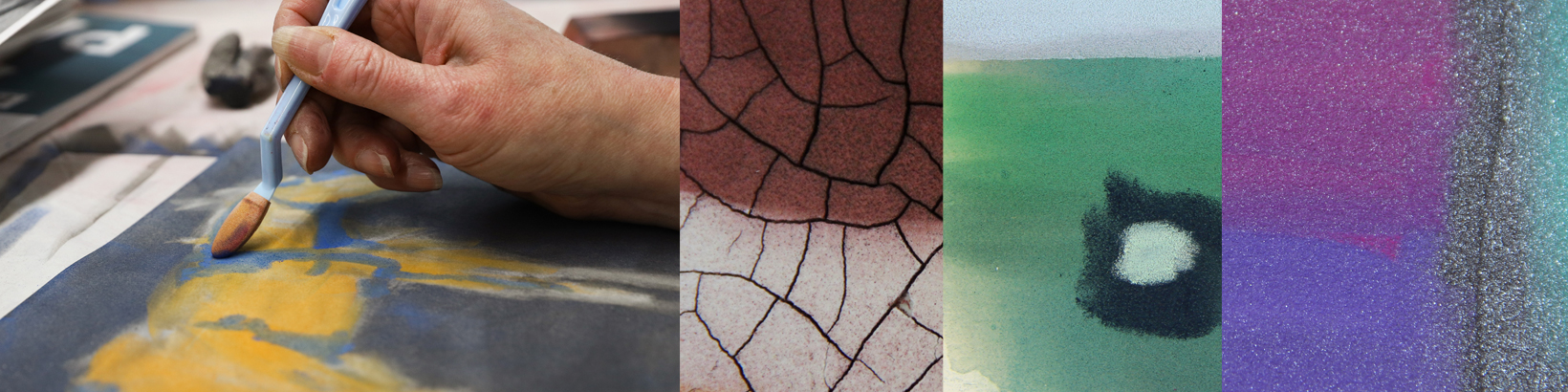
A pastel painting radiates color from a matte pigment-rich surface. This distinctive medium is also incredibly fragile, so pastel works are typically displayed behind glass. Fixative coatings provide stabilization, keeping the delicate dry pigment particles from falling off the surface and landing on the glass or frame. We often receive questions from artists regarding fixatives ... Read more
By Golden Artist Colors At Golden Artist Colors, we’re deeply committed to developing and supporting materials that reflect the real-world needs and preferences of artists. That’s why we regularly turn to professional painters for insight—not just about how our products perform, but how they feel, mix, and function in the studio. Earlier this year, we ... Read more
Since their introduction in 2007, PanPastel Artist Pastels have inspired the pastel world with their pan format and sponge applicators, allowing for smooth, even applications, soft fades and gradients. They combine the visual power of pure pigments with the mixability of paint and can be used with almost any other drawing or painting material, making ... Read more
In our investigation of the embrittlement of oil paints containing zinc oxide (see Sarah Sands’ 2018 article Zinc Oxide – Reviewing the Research), we made a lab trial containing titanium dioxide (PW6, “TiO2”) and 6% zinc oxide (PW4, “ZnO”) that used stand oil instead of our standard refined linseed oil. Two years later, we noticed ... Read more
Today’s artist has access to an abundance of colorants, including Fluorescent and Phosphorescent pigments, which are members of the “Luminescent Family”. Few, if any, other colorants rival their vibrant allure. Whether applied as paint or encapsulated in resins, glass or plastic, these materials have always held an aura of mystery and intrigue. Part of this ... Read more

Fabric painting using your acrylic paints and GOLDEN GAC 900 are great for creating wearable artwork. Lean what products to use for your favorite techniques.

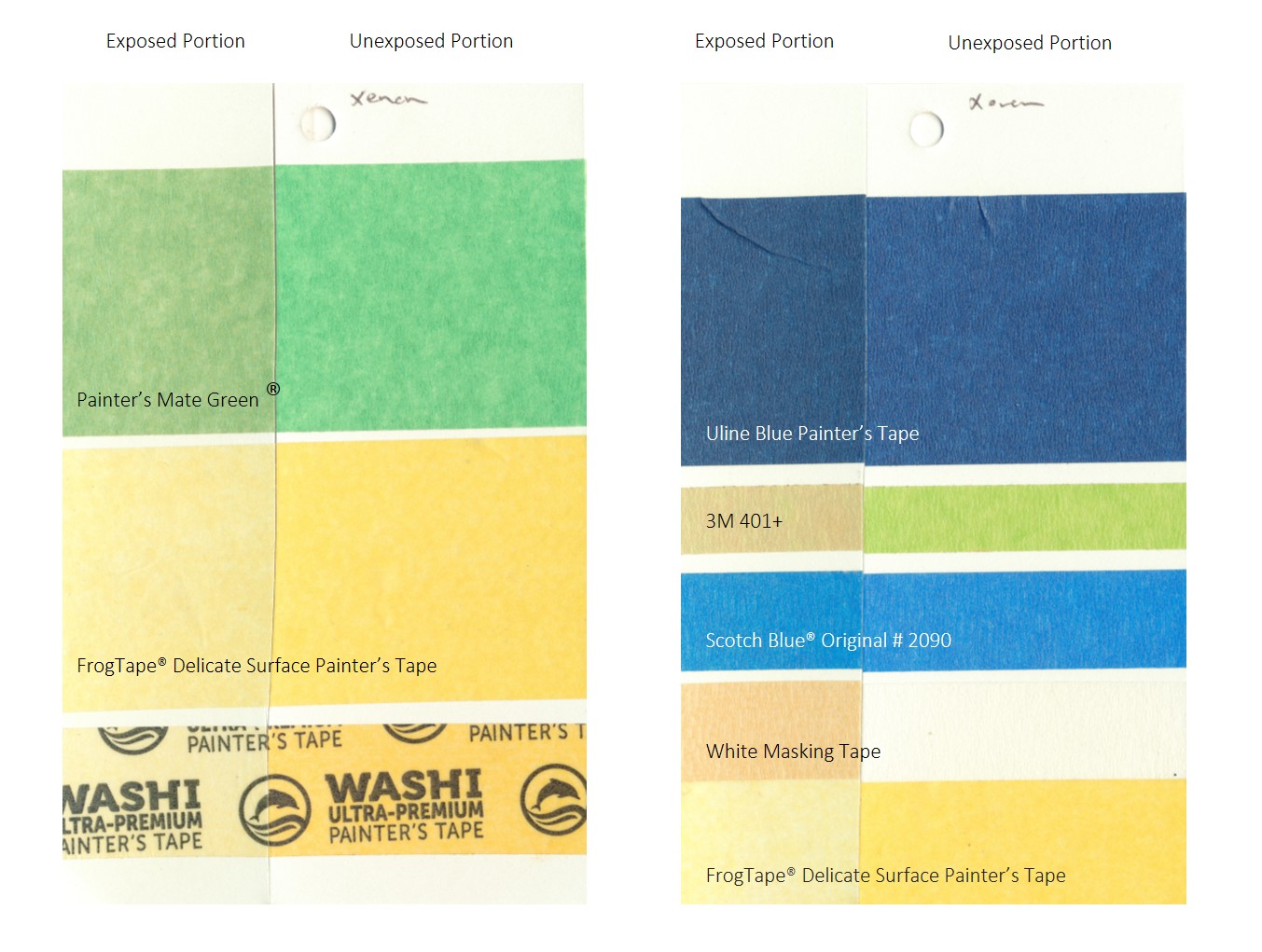
Tape is an immensely useful tool for artists and designers. It is a go-to option when masking off areas of a painting or establishing the layout of a design. Masking tapes and painter’s tapes are uniquely designed to offer low tack adhesion and easy release, making them perfect for these

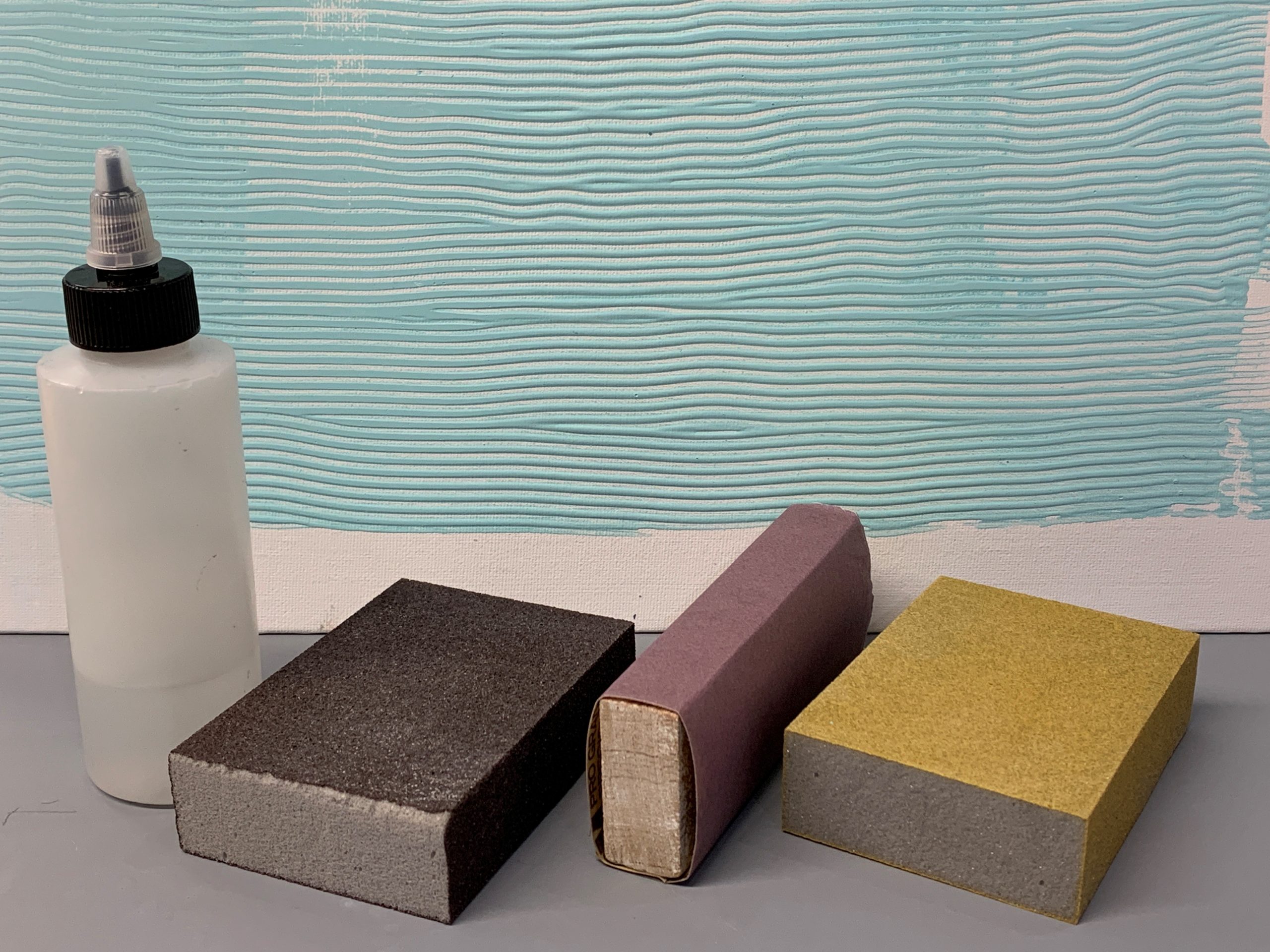
If you’ve ever sanded Gesso or other acrylic products and ended up with rubbery bits and had to throw out sheets and sheets of sandpaper and less than excellent results, then you should try WET SANDING! Wet sanding is the most effective way to sand acrylics. Adding water to the

Numerous artists have asked about using acrylic mediums and gels to preserve dried organic materials, such as grasses and flowers. After one such phone conversation, we began our first test, which involved layering dry peony petals over and under thick layers of Soft Gel Gloss. The petals were from a

Current testing conducted by our Lab, led by Junior Formulator Trevor Ambrose, with the support of our Senior Formulator, Ulysses Jackson, has revealed the need to update the over 40-year-old ASTM Standards for Lightfastness of Artist Materials. While a good deal of anecdotal evidence has suggested that these standards have


Methodological Issues and the Effect of White Pigments on Fading Introduction Lightfastness is usually reported in a single word or number—a simple answer for artists questioning a color’s permanence. Although lightfastness ratings are straightforward, lightfastness assessment is actually fairly complex, and a variety of factors can influence both laboratory and


Introduction Our Lab, in conjunction with the Materials and Applications Specialists Department, recently updated the lightfastness testing for the entire QoR Watercolor line. Our testing methods employed a significantly expanded range of dilutions with water as well as incorporating, for the first time, tints with titanium white to more accurately simulate


The loss of key quinacridone paint colors result in Golden Artist Colors creating recipes to recreate them for artists.


All things are poison, and nothing is without poison; the dosage alone makes it so a thing is not a poison. —Paracelsus, 1538 If just joining the community of Golden Artist Colors product line users, one might not know we avoid the term “nontoxic”. It implies an absolute guarantee, and


We have been asked many times over the years to provide oil content information for Williamsburg colors, Extender Medium and Oil Grounds. To answer that request, we have created a chart organizing these products into four categories – Low, Moderate, Medium, and High oil content by volume. We have chosen