
Introduction
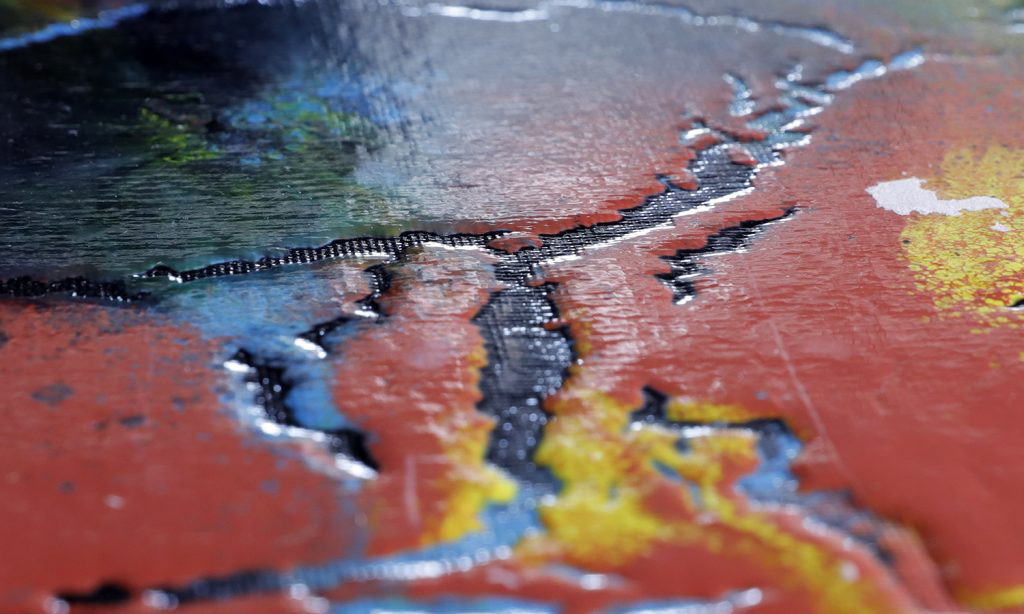
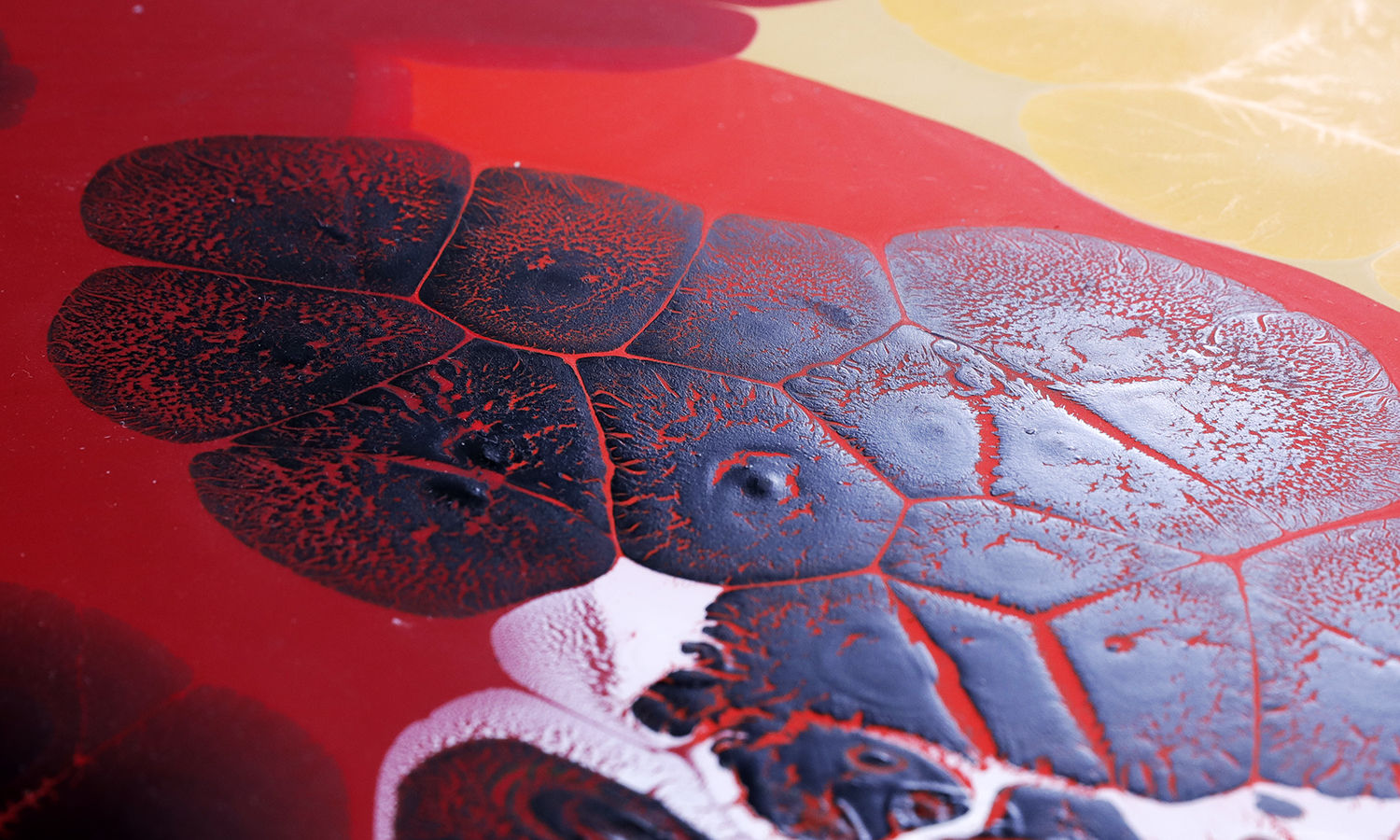
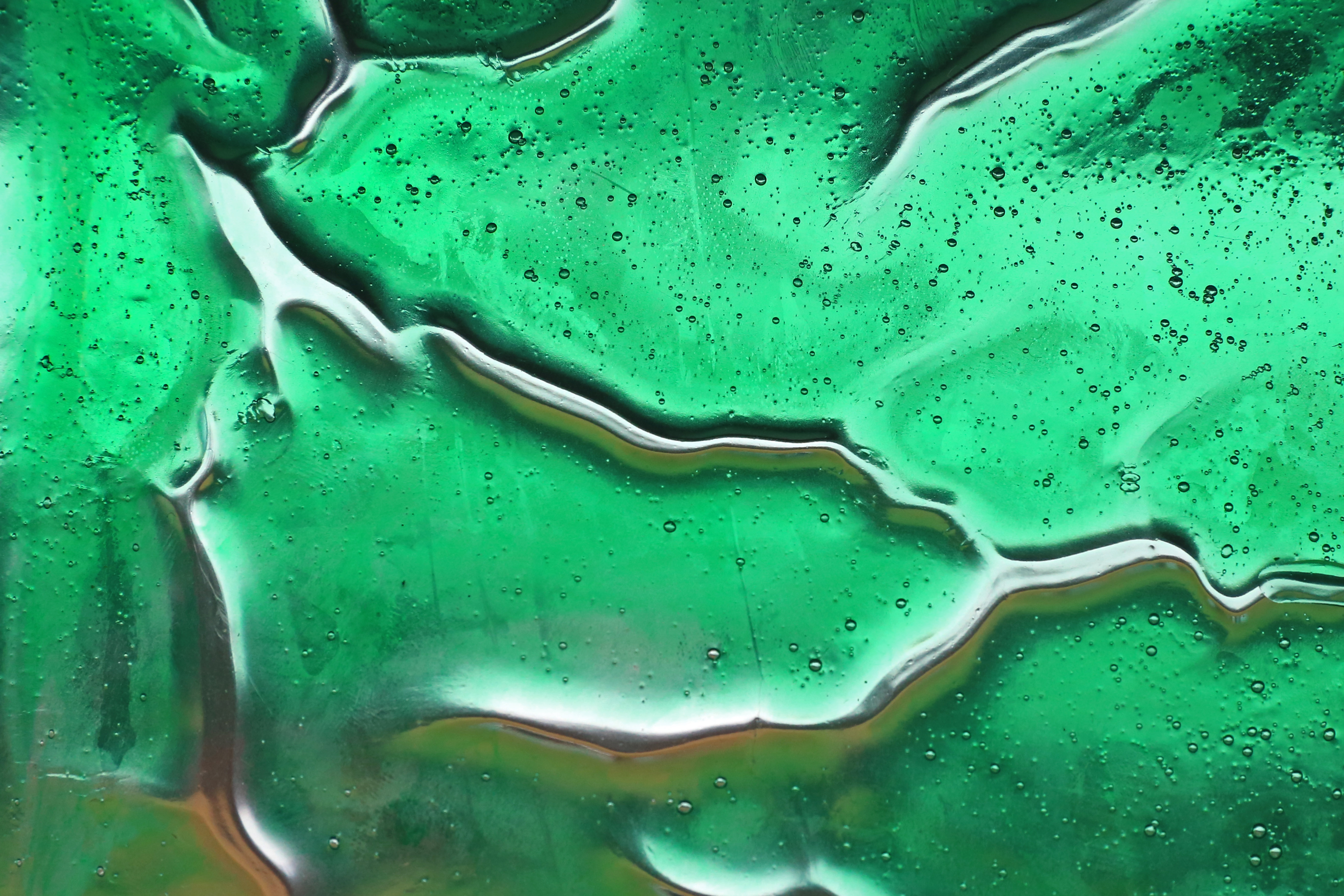
Acrylic paint is one of the most forgiving of all painting mediums, yet there are some instances, where working with this material, can lead to unanticipated results. One of these, defined as a ‘craze’ or crazing, is for many artists, considered a serious surface defect. It can appear like a crack in the paint, yet unlike cracks, they are really tears in the surface layer that leaves a ‘scar’ in the dried paint. They differ from cracks that are created from paints that are too brittle, or a lack of bonding to the primer base or substrate. Unlike paint that has cracked, crazes don’t create long-term stability issues. Yet, when unexpected, they can create an unsightly, uneven layer in the painting, often appearing like rivers seen from a satellite view of the earth. Yet like any problem, many artists find this occurrence a ‘happy accident’ that can reveal incredibly unique possibilities. This article attempts to share both how to avoid these surface defects and also how to get control over this phenomenon. This is for both the artist that has experienced unwanted crazing and is hoping to avoid this in the future as well as for those that would like to explore the artistic possibilities of this phenomena and its various effects.
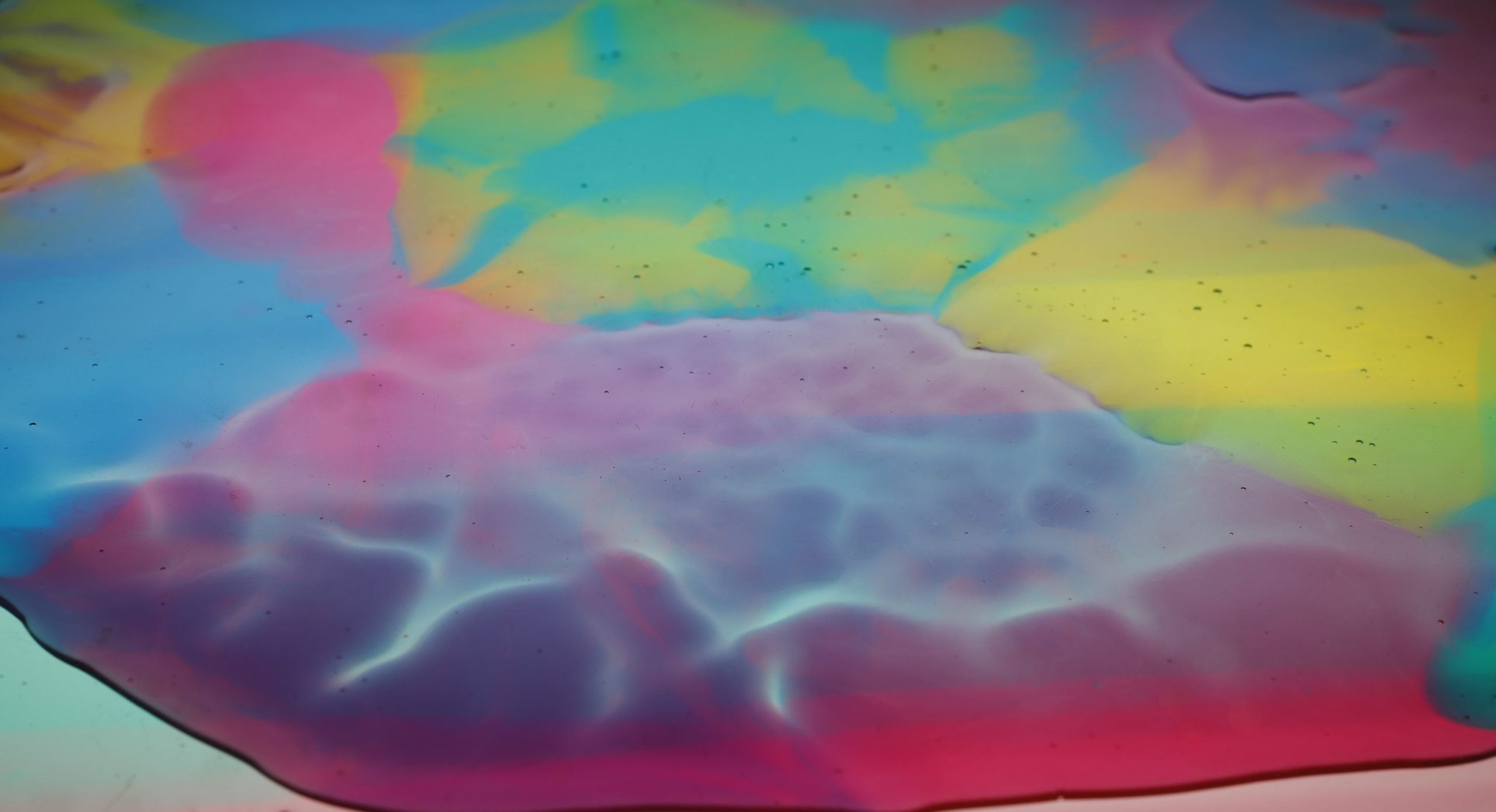
What is a Craze?
A “craze” – as defined here – is a surface defect that develops when the surface of a paint layer skins over much faster than the rest of the paint below the surface. Most often, it happens in liquid paints applied thickly, such as pours and puddles. Crazing differs from cracking, as cracks are a deeper structural failure of a paint film, which often indicates poor film formation, adhesion issues, or lack of mechanical bonding to the base primer or substrate. Surface defects do not result in long-term stability issues of the paint layers; they are simply uneven layers.
Factors that Influence Crazing
Many factors influence the generation of crazes. You can adjust each parameter to either reduce or increase the chances of crazing occurring. These include surface or substrate absorbency, paint layer thicknesses, levels of solids in the paint, additions of water, the layering process, and environmental factors.
Surface Absorbency
The absorbency of the surface can influence the drying rate of additional layers. Absorbent surfaces pull water in, while less porous surfaces block water penetration.
- Non-absorbent surfaces will increase the likelihood of crazing. Glossy films, acrylic-coated panels, and Duralar (mylar films) or Plexiglas (acrylic sheeting) force the drying exclusively through the top, creating strong differential shrinkage as the surface dries much sooner than the rest of the layer.
- To minimize crazing, opt for absorbent surfaces such as primed canvas or paper, which allow the entire paint layer to dry via 2-way drying (through the surface and through the porous gesso and substrates).
- Contrary to this is surface preparation such as our Absorbent Ground. This ground preparation will exacerbate crazing if a pool of paint is applied directly on top, as much of the liquid vehicle is pulled away from the paint before it has a chance for proper coalescing (film formation) while drying.
Paint Layer Thickness
Thick layers will dry in zones of different rates. Tops and edges dry first, while the center sections must wait their turn to dry. Thin films (the thickness of a penny or less) dry quickly and more uniformly.
- Thickly applied, very fluid paint, such as a “pancake” pour or heavy pours will dry more slowly than thinner layers, forcing the top surface to skin and begin to contract while the bulk remains wet for maximum tearing.
- To minimize crazing, use thinner applications that dry more uniformly, avoiding deep pools that exaggerate differential drying.
Levels of Solids in Product
“Solids” refer to the ingredients remaining in a fully dried paint film. A gloss acrylic medium will have one type of “solids,” which is the acrylic polymers. The solids that can influence the development of crazes are those added to the acrylic medium.
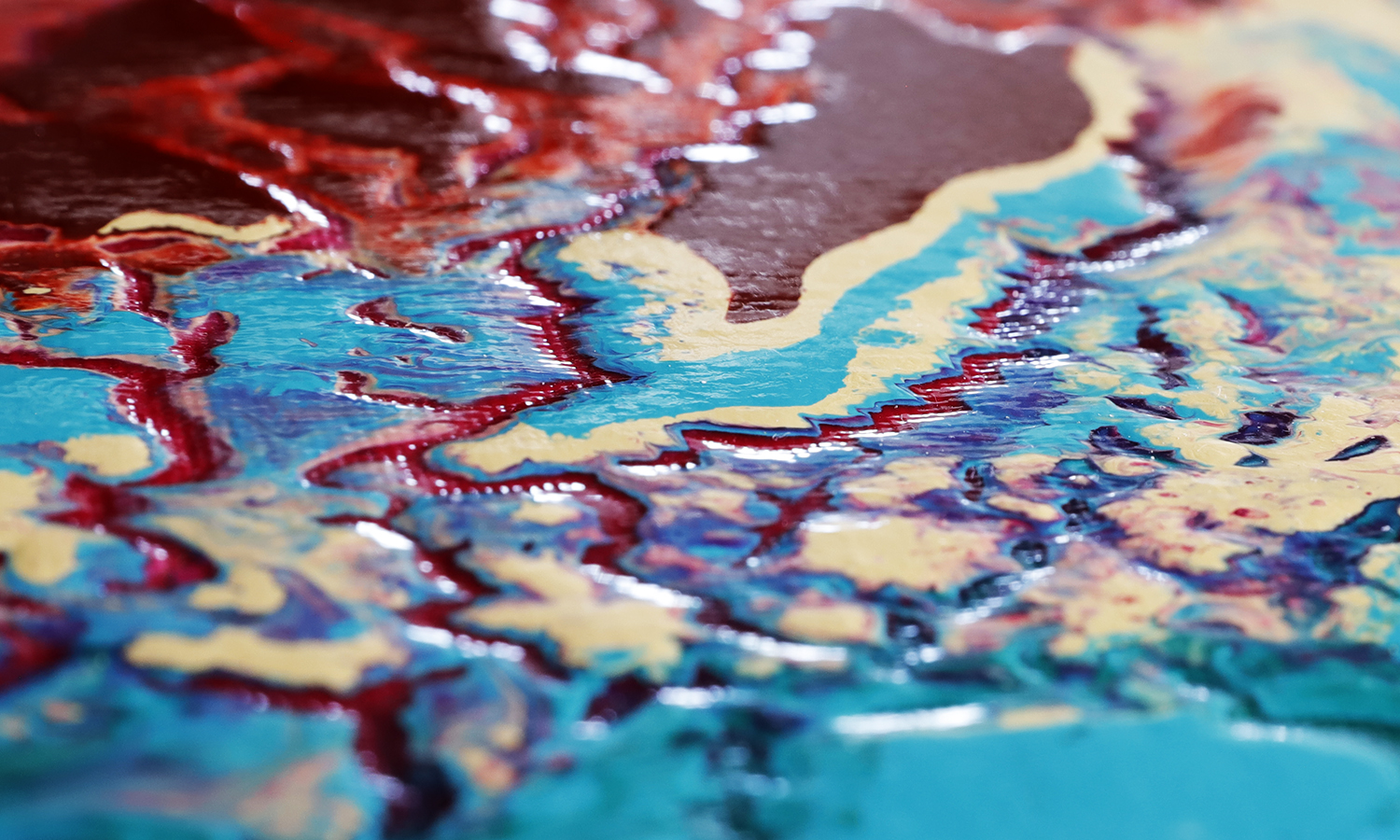
A satin or matte medium contains acrylic solids and “matting solids” such as amorphous silica. Paints contain pigment solids. Different solids (including different types of pigments) can alter the development of crazes. For instance, high-pigment levels of Fluid Acrylics or the matting agents in Super Matte Medium can create tension points or ridgelines when adjacent or on top of gloss layers, seeding crazes.
- Applying paints with high solid levels over lower solid-containing layers increase crazing. For example, SoFlat Matte Acrylics over Gloss Medium.
- To minimize crazing, add more acrylic medium to reduce pigment and solid levels. Retarder additions may also slow the surface in drying, mitigating some crazing.
Adding Water
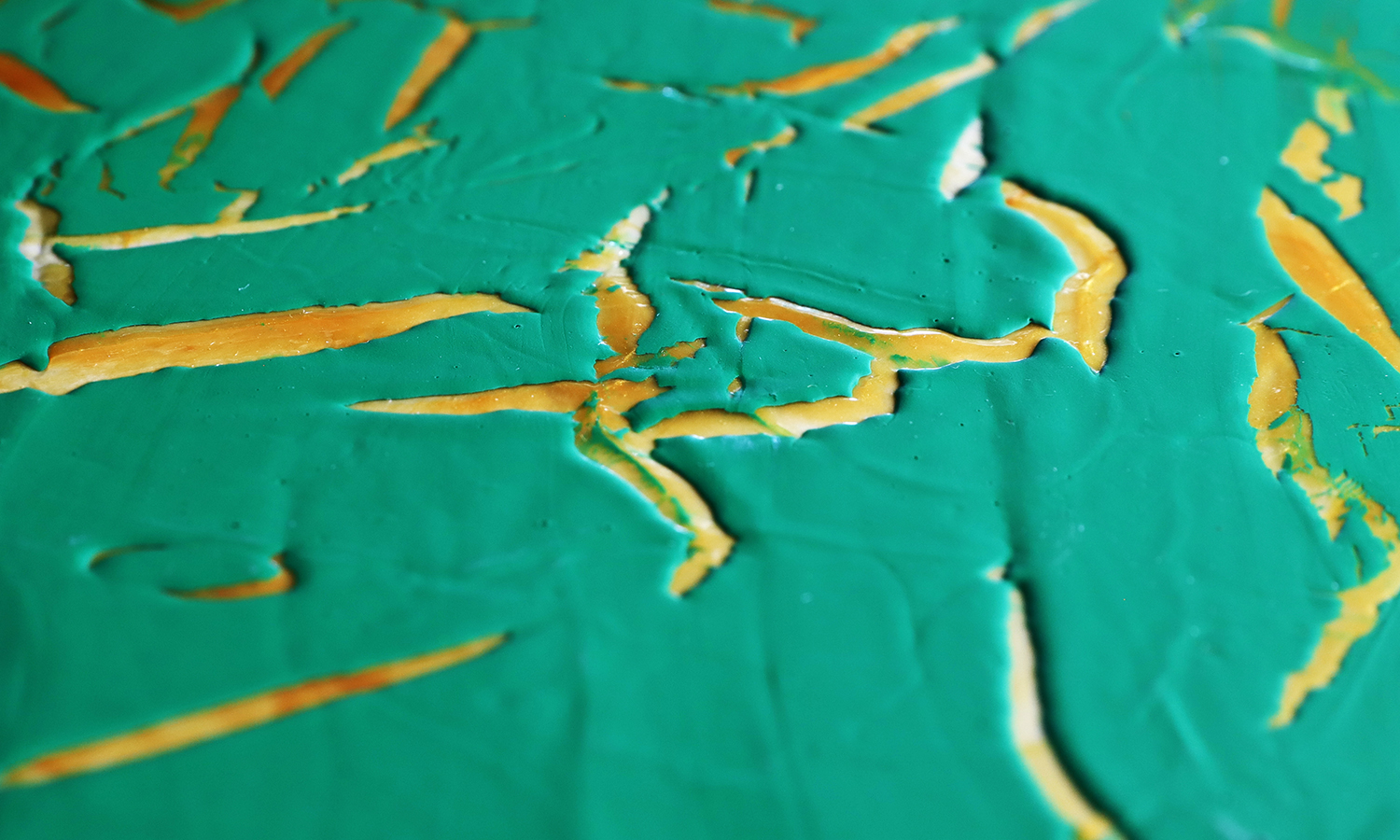
All acrylic polymers are manufactured with water. Our entire GAC Specialty Acrylic Mediums range, including GAC 100, GAC 200, and GAC 800 are all made for increasing the binder level of paint to help promote adhesion. Each of these acrylic polymers has a specific function. Both GAC 100 and GAC 200 are by their very nature, prone to craze if floated onto a surface. GAC 800, containing a higher level of surfactants than the other polymers, helps promote the reduction of crazing and remains an important product for artists wanting to do stable pours of acrylic colors. Yet, every one of these polymers can be overwhelmed with the addition of water that will create additional crazing if pooled on a surface.
- Diluting more liquid acrylics, even moderately with water (around 10-20%), will encourage rapid surface skinning before the interior catches up.
- To minimize crazing, avoid adding water to thinner mediums.
Applying Products in Layers
- Applying multiple layers of products while the initial layer is still young (still developing into a solid film, only several days old) will potentially promote crazing.
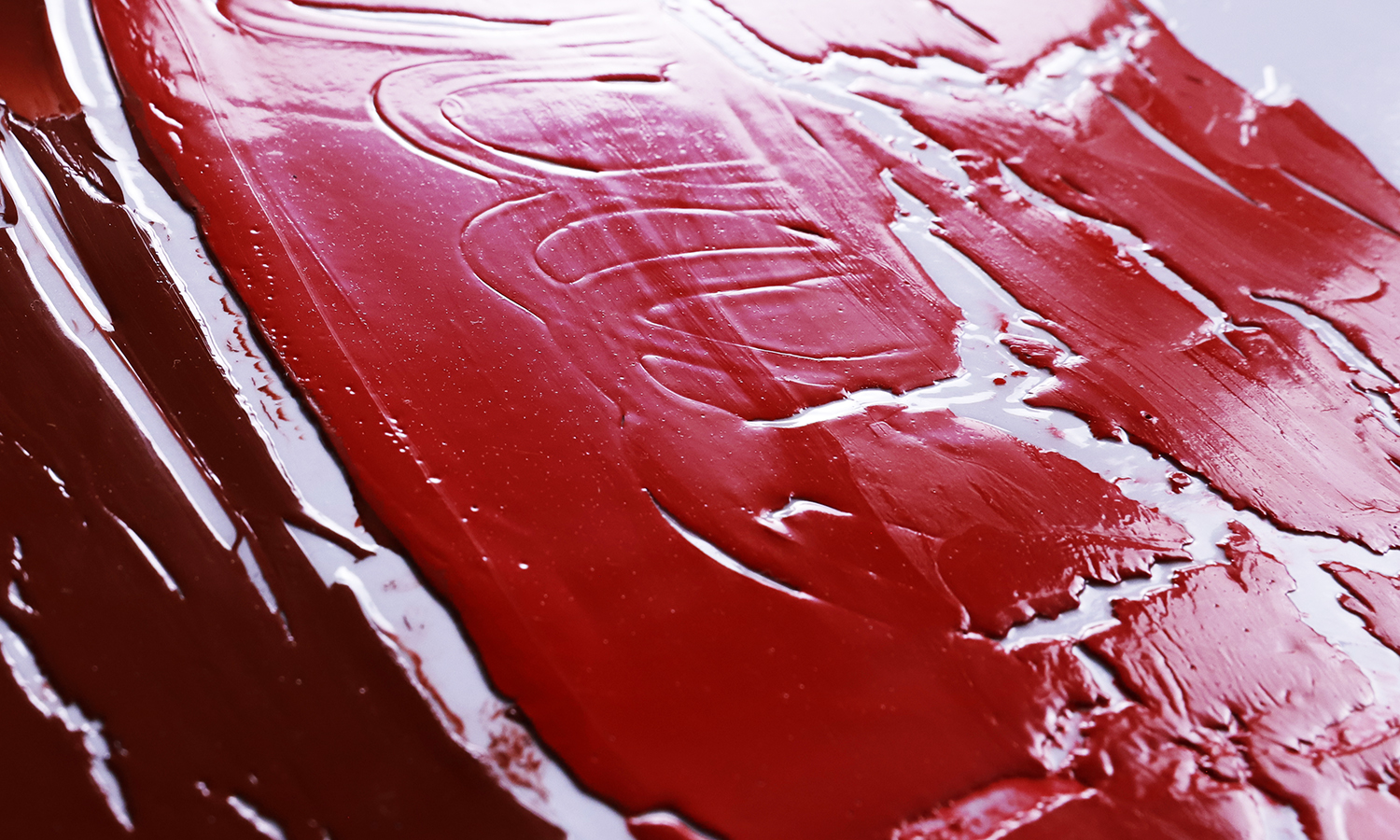
This is especially effective when using layers with strong contrasts – such as Fluid Acrylics over a layer of Clear Tar Gel – which disrupts the drying dynamics, triggering interfacial defects.
- To minimize crazing, allow each layer to dry fully (3 days or longer) before adding the next layer, or apply wet-into-wet with highly similar products to maintain consistent evaporation. Keep each layer as thin as possible.
Environmental Factors
Out of all factors, environmental factors may have the greatest impact on film formation and crazing.
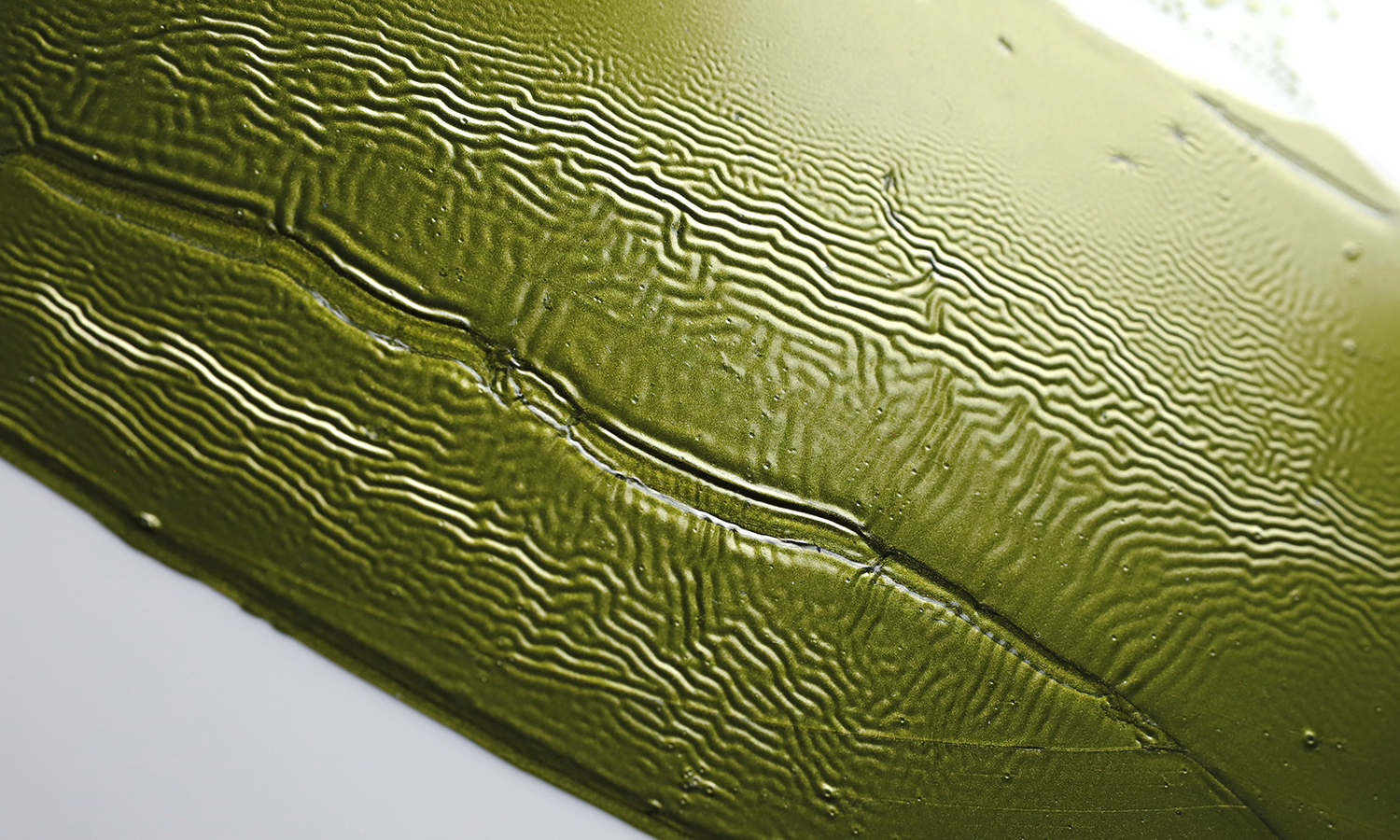
- Harsh drying conditions. Low humidity levels (under 50%rH), as in a drier climate, quickly pull moisture out of the paints, encouraging the formation of crazes. Warmer temperatures accelerate surface drying dramatically, promoting crazes even in non-pourable gels. Moving air, such as wind and fans, can help paints dry, but with thick liquid layers, it accelerates the surface drying and the chance of crazes developing. Combine all three extremes by using a hair dryer to force-dry the acrylic layers. In the image and video below, you can see that rapid heating and moving air caused the surface of Clear Tar Gel to develop a phenomenon known as “Gryrification”.
- To minimize crazing, maintain ideal conditions: keep the painting studio at room temperature: 65-75°F (18-24°C) – and increase humidity levels (>70% rH). A tent or rigid panel can be used to cover the work, trapping a local high-humidity microclimate, eliminating drafts. The still air preserves a humid boundary layer generated from the evaporating moisture, remaining just above the paint long enough to reduce the chances of crazing.
Painting Surface Levelness
The table that a painting is placed upon to dry can have serious implications on how evenly a painting dries, and specifically can create thicker areas more prone to crazing.
- To generate crazes, work on a slightly tilted, sloped surface that causes liquid acrylic layers to pool on one end and tear on the skinned surface due to gravitational pull. Larger stretched canvases can bow in the middle when a large volume of paint is applied, causing the center section to become the thickest section of the paint layer.
- To minimize crazing, allow the completed artwork to dry upon a perfectly level surface, which promotes uniform layers that stop flowing once they fully spread out.
Experimental Factors
Artists who seek out surface defects should be prepared to do a lot of testing. Once you achieve an interesting result, be sure you can repeat it. It is also important to mention that sometimes these tests won’t work, and may even result in paint layers that may not be sound and hold up over time. Adding ingredients may cause poor film formation or adhesion.
- Certain pigments, like zinc white, are mildly reactive and can be just enough to create crazes.
- Add paints into mediums at varying amounts, and do not mix until homogeneous. Loosely combine a wide range of paint mixtures to allow their differences to develop crazes and other surface oddities.
- Mist the wet surface with water, isopropyl alcohol, or mild acids such as white vinegar to create unevenly drying pools and rivers on the surface. Note: Ensure additives fully evaporate—test on glass first to check for residue.
Final Thoughts
Controlling crazes is more art than exact science—variables interact unpredictably. Always create test panels with detailed notes on materials, ratios, application, and conditions to replicate successes (or avoid failures). If results differ from expectations, revisit the factors above to identify overlooked variables.
Peruse the following links to other Just Paint articles for further information about drying times of acrylics, and comment below if you have any questions!
- https://justpaint.org/?s=crack+craze
- https://justpaint.org/retarder-slow-drying-additive-for-acrylic-painting/
- https://justpaint.org/technical-notes-on-drying/
- https://justpaint.org/suggested-drying-times-between-acrylic-layers/
- https://justpaint.org/investigating-the-drying-process-of-acrylic-color-and-gel-medium/
- https://justpaint.org/understanding-and-controlling-acrylic-drying-time/

Subscribe
Subscribe to the newsletter today!
