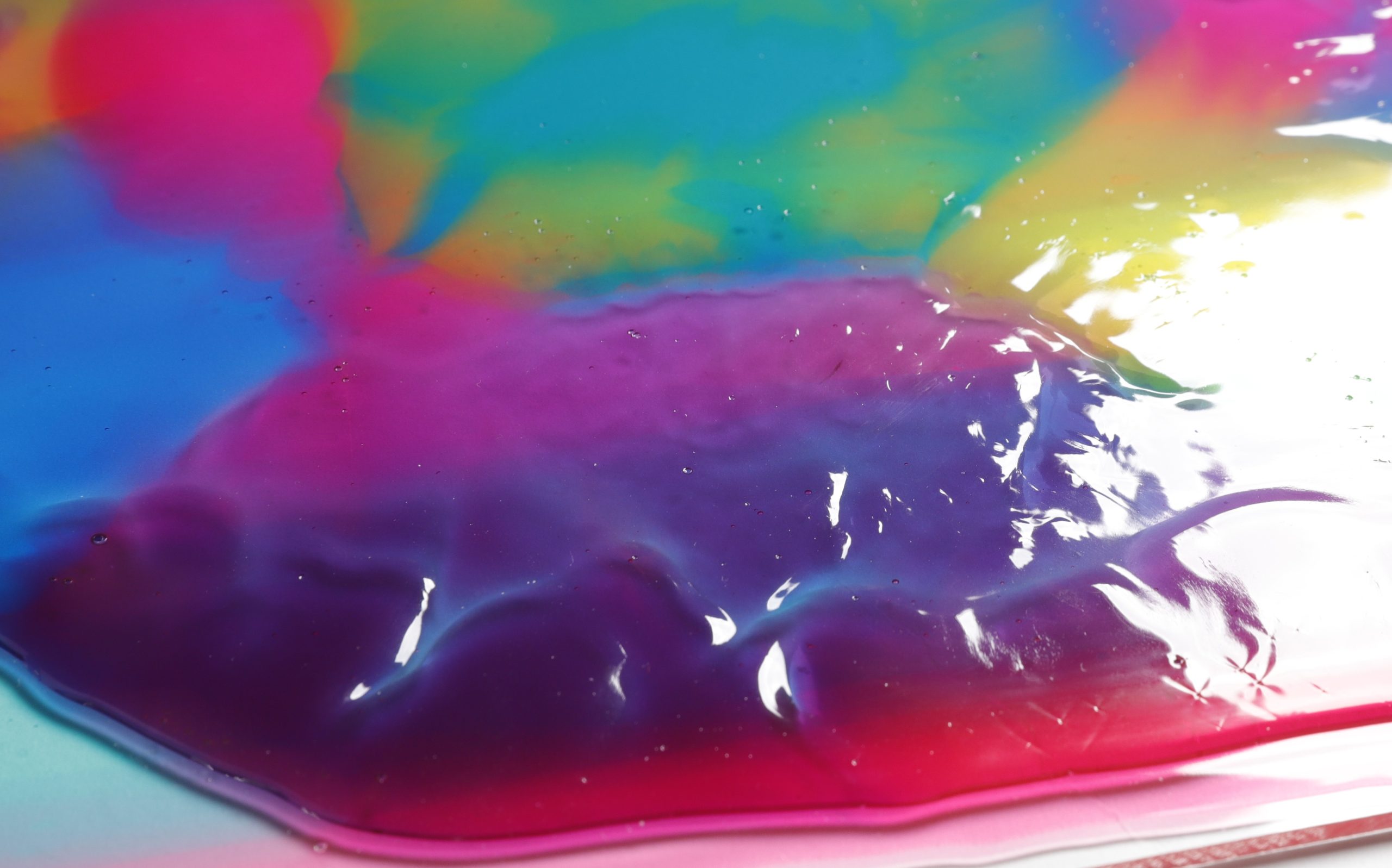
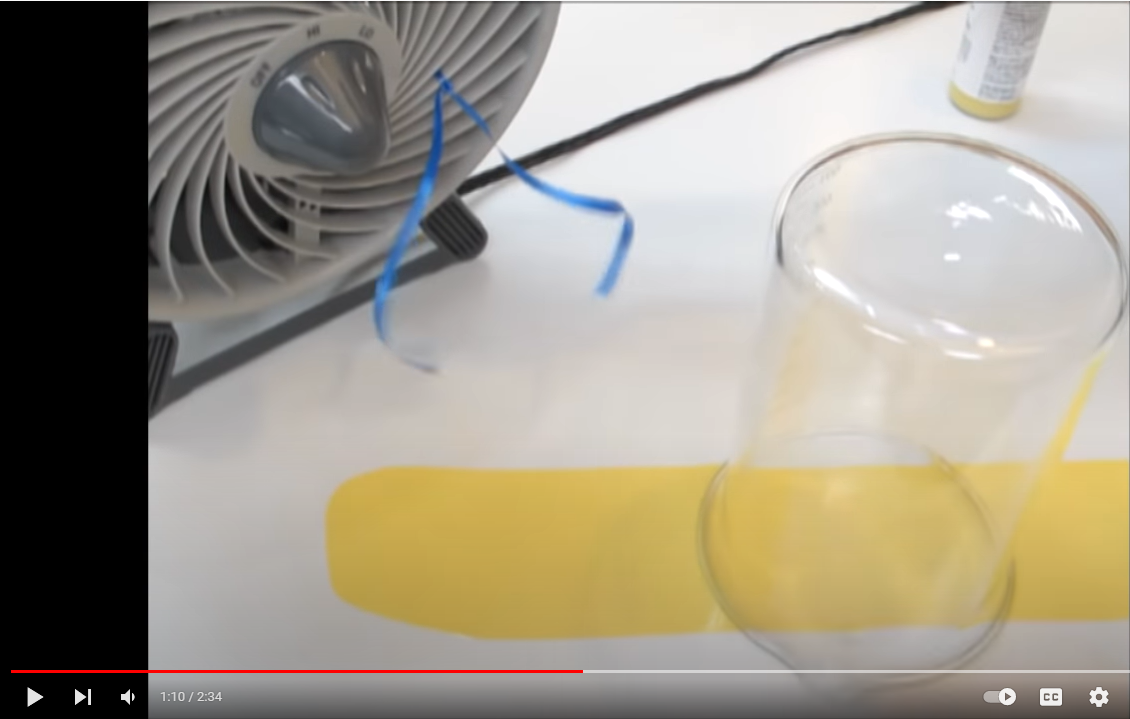
GOLDEN Retarder: Slow-Drying Additive for Acrylic Painting
Learn the keys of how adding Retarder into Acrylic Paint increases the amount of painting time, improving blending , shading, and paint applications.

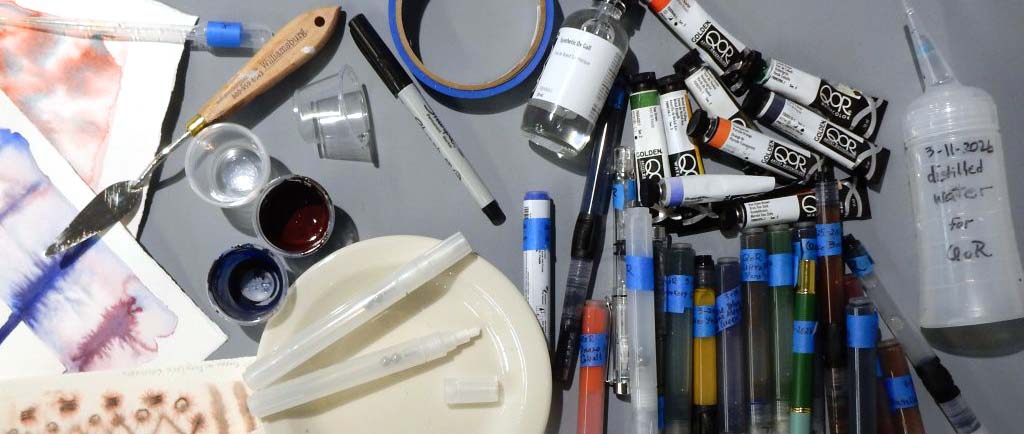
Introduction Many artists use GOLDEN acrylics in markers, but what about QoR Watercolors in refillable paint markers? Since the markers rely on fluid paint, watercolor seems a perfect medium for these tools. QoR Artist Watercolor offers high lightfastness and dissolves into water beautifully, making it perfect for versatile marker techniques. In our testing, we found do-it-yourself ... Read more
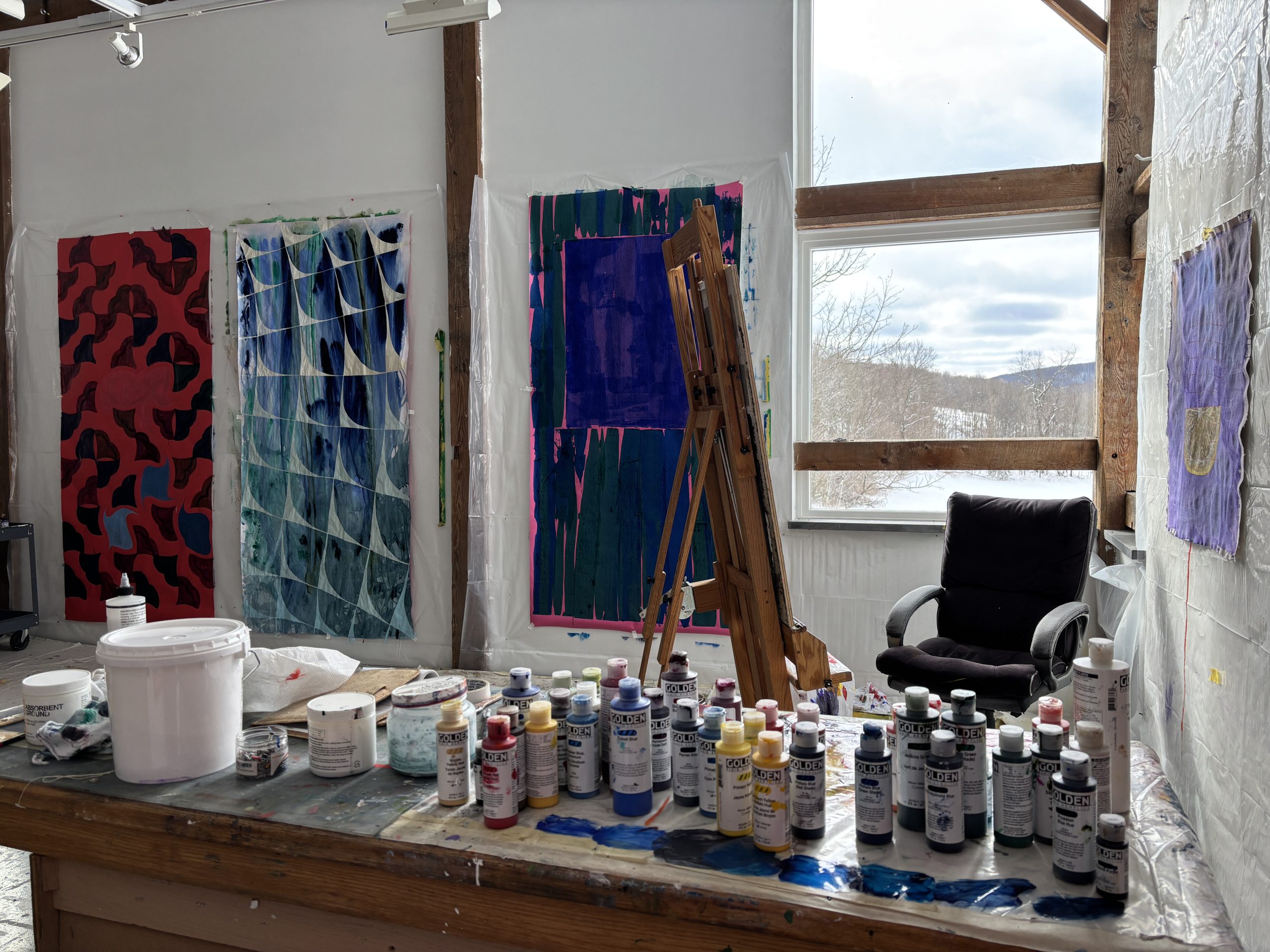
Our Materials & Application team answers questions from artists daily (via email and phone) and some of the most common questions they receive are related to murals. In the winter of 2025, Golden Artist Colors invited three accomplished muralists (Nico Cathcart, Colleen Gnos, and Erik Burke) to spend time in residence at the Golden Foundation ... Read more
Introduction Acrylic paint is one of the most forgiving of all painting mediums, yet there are some instances, where working with this material, can lead to unanticipated results. One of these, defined as a ‘craze’ or crazing, is for many artists, considered a serious surface defect. It can appear like a crack in the paint, ... Read more
Mark Golden I am joined today with Ellen, the newest member of our Materials & Application Specialist team here at Golden Artist Colors. These conversations have become one of my favorite parts of Just Paint because they allow our community to meet the exceptional people behind the materials they trust every day. Our Materials & ... Read more
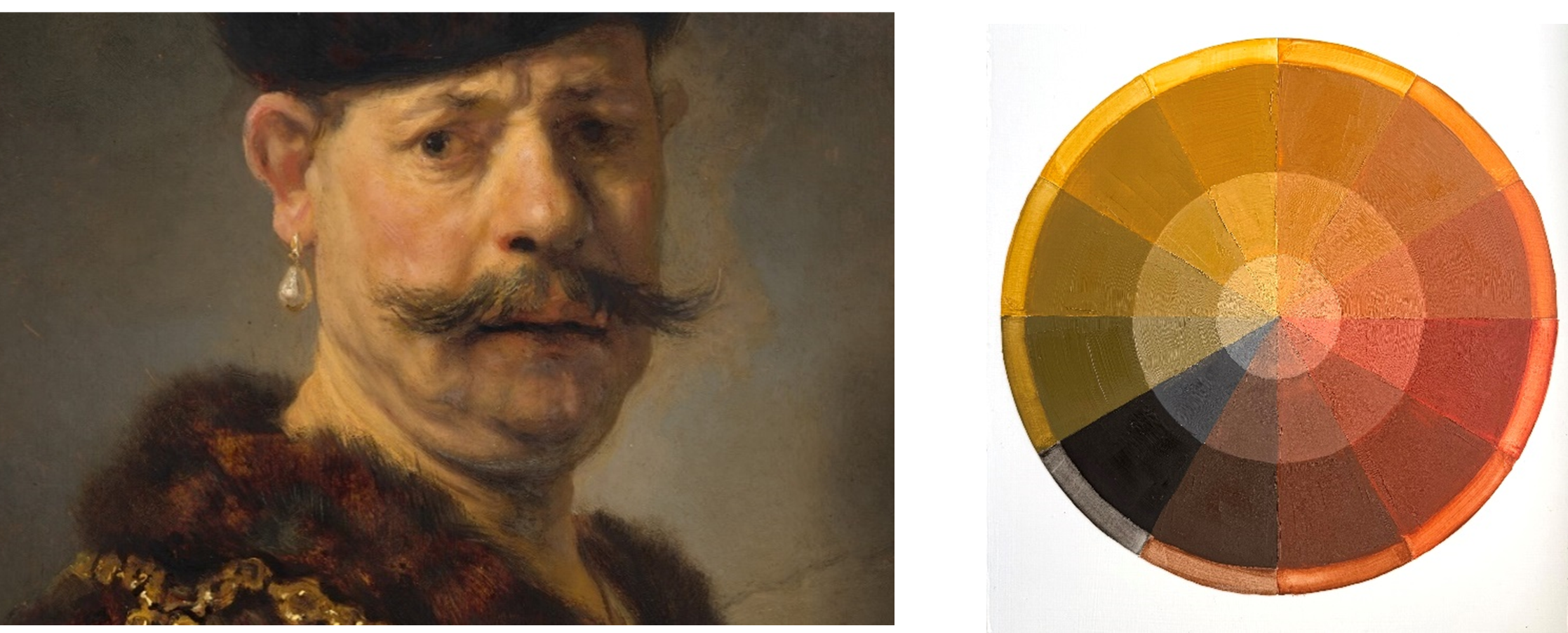
Introduction A limited palette is a color mixing approach that could benefit your studio practice. It is an effective way to simplify mixing for beginners and provide a challenge for experienced artists who find themselves reaching for the same colors repeatedly. Color mixing can be overwhelming, especially with the wide range of colors offered by ... Read more
At Golden Artist Colors we have a team of Materials and Application Specialists who are central to education and developing our product recommendations based on testing and research. As part of our commitment to being a generous resource for artists, this team is available to the public to assist with any materials or application questions ... Read more
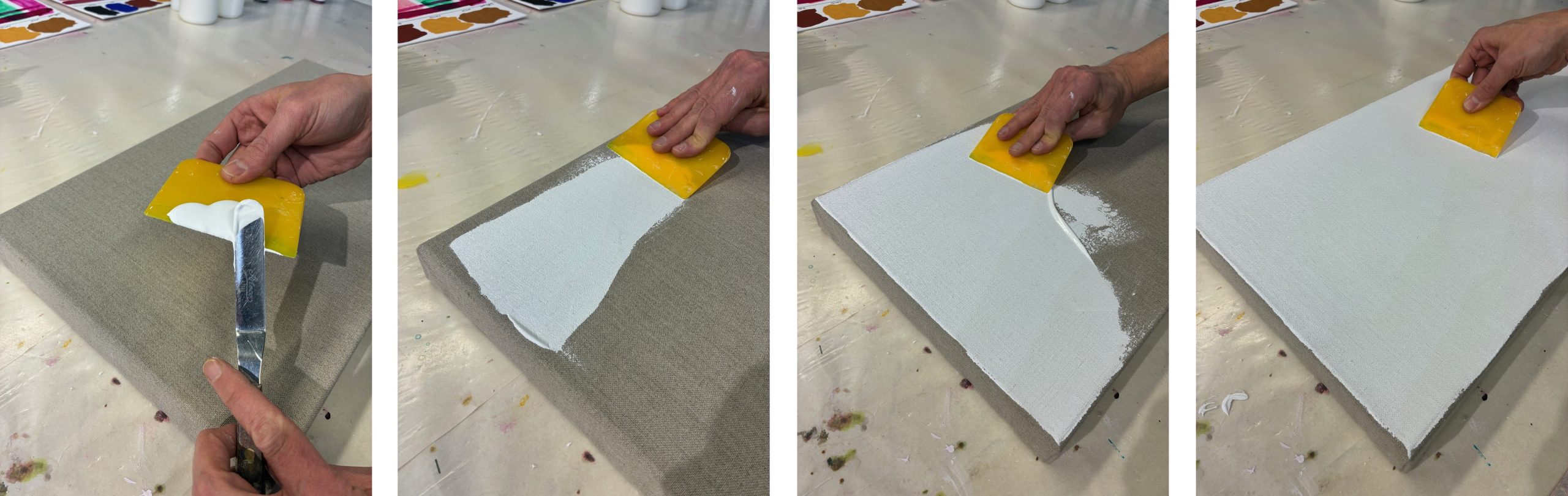
Linen is a beautiful material that some artists prefer over cotton canvas for its pronounced weave and sensuous feel. Linen fibers are also stronger than cotton, resulting in a more durable, longer lasting support. While they are durable and rugged, flax fibers absorb moisture from the environment, or an applied product, more quickly than cotton, ... Read more
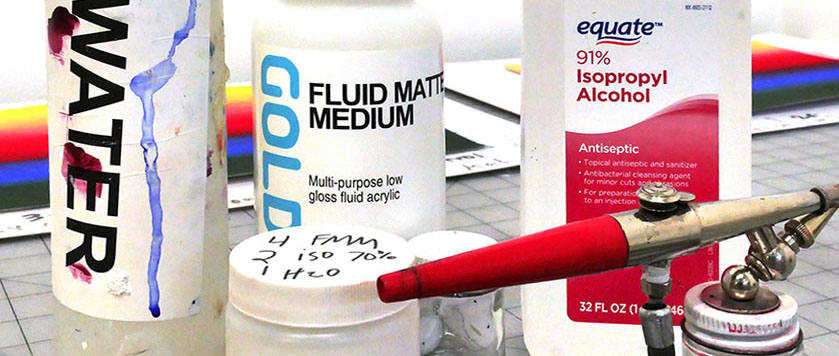
In a previous JustPaint article, we explored the effectiveness of several commonly used spray fixatives to secure PanPastel artwork. Only one was non-aerosol, the SpectraFix Degas, which contains water and alcohol instead of solvents and propellants. This fixative uses a pump-sprayer called the Flairosol, and although this sprayer works quite well, it loses pressure when ... Read more
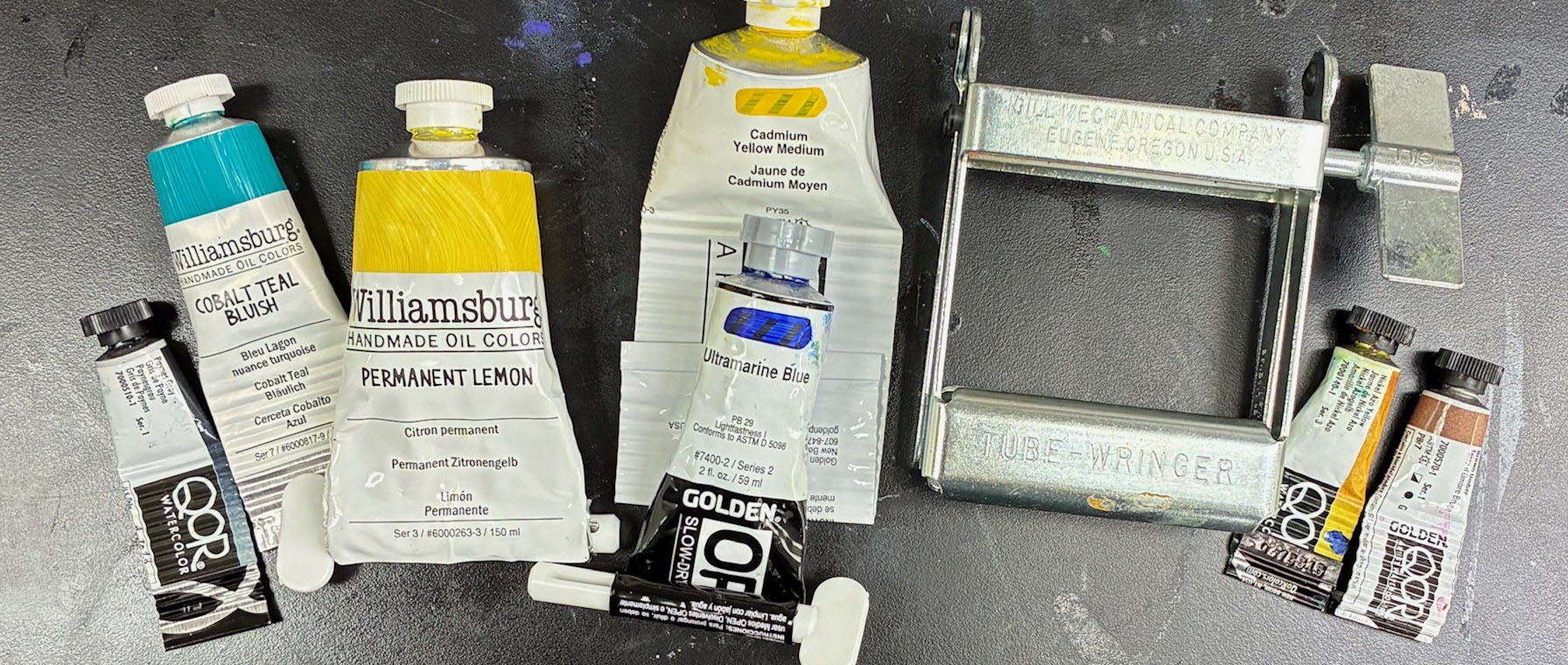
(Or, how to keep your tubes from turning into tiny, paint-filled fossils) Let’s be honest—during the heat of painting, “tube maintenance” isn’t high on anyone’s list. We’re more likely to lose the cap than to carefully twist it shut. But once the flurry of creation settles, taking a few minutes to give your paints ... Read more
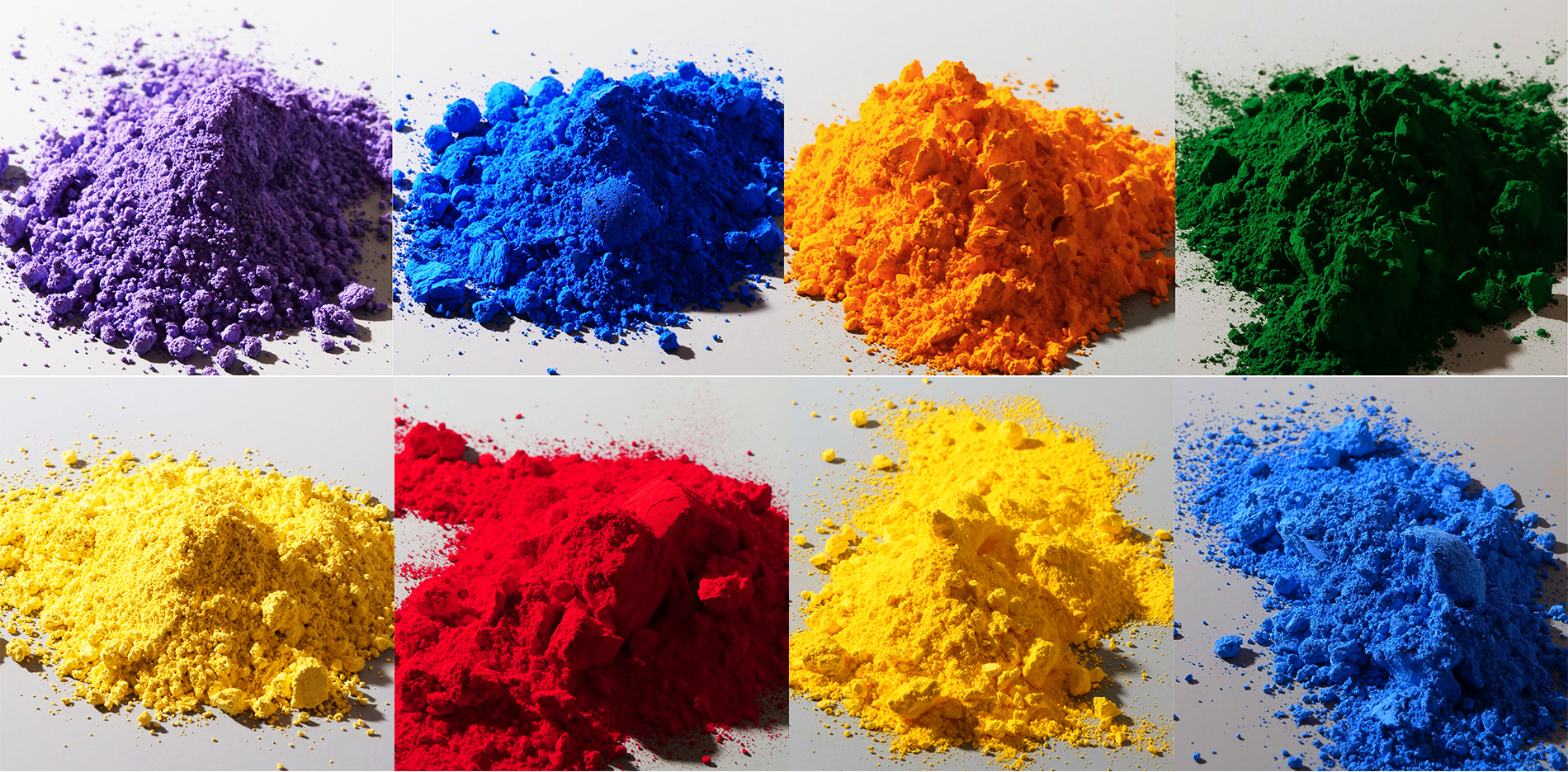
Being able to make paint from pigment powder is empowering and opens up possibilities. While the steps are straightforward, one might have to experiment for a while to get to a formulation that works for a specific application. In this article we provide a general recipe for making acrylic paints from scratch. Please keep in ... Read more

Learn the keys of how adding Retarder into Acrylic Paint increases the amount of painting time, improving blending , shading, and paint applications.
I think we all know the feeling. You pause for a moment looking back towards a house or an apartment, a surround of land or the last vestige of a city’s skyline. It is always a very particular place, a very precise moment. You take things in, a slow deep
Glare and reflections are the typical challenge when photographing paintings with a glossy finish. We can do our best by photographing in indirect sunlight, which provides the best lighting, and eliminate shadows and “hot spots” as best we can, and still find that the light distorted the representation of our
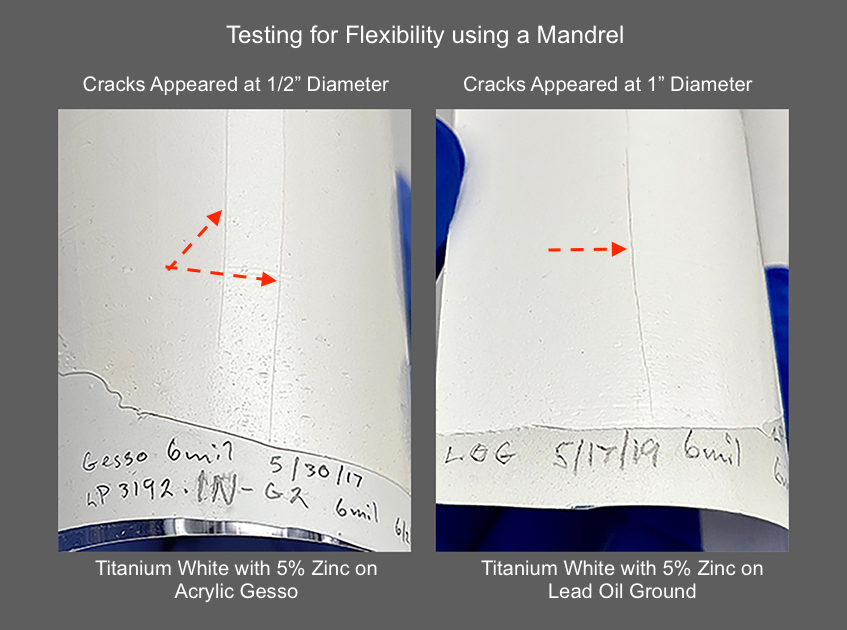
Please Note: What follows is an update to long-term testing that we first wrote about in 2018. The original articles provide important background and context for understanding the current results, and can be found here: Zinc Oxide – Reviewing the Research, Zinc Oxide – Warnings Cautions and Best Practices, and
Please Note: What follows is an update to long-term testing that we first wrote about two and a half years ago. The original article provides important background and context for understanding the current results, and can be found here: On the Yellowing of Oils Yellowing after 5 years It’s the
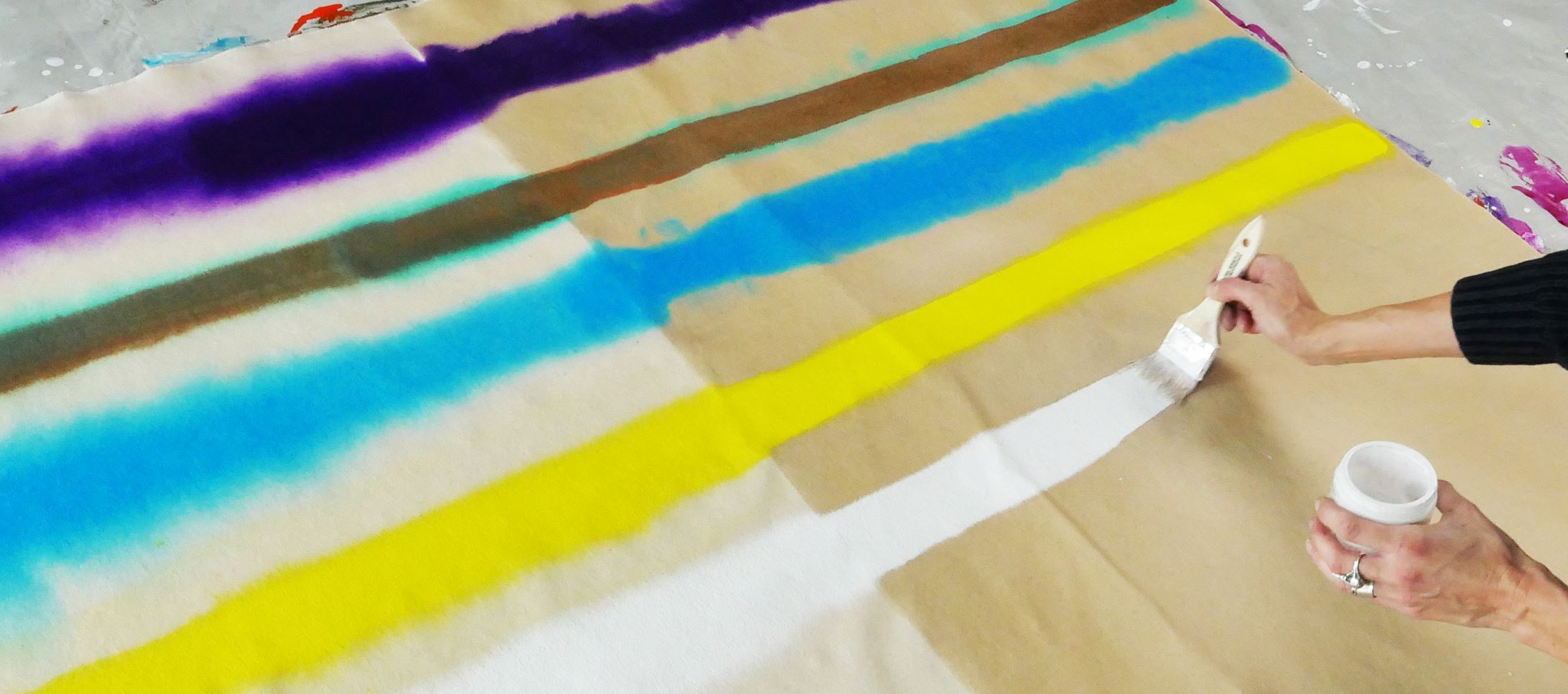
Imagine if you will, the scene: the artist in their studio, clothing covered in paint, standing above, next to or on top of canvas laid upon the floor, fully animated and wild broad gestures halted by short deliberate movements; using their whole body to fill the enormity of the painting
This is a common question that we field here in the Materials & Applications Specialists department. The answers are varied and depend a lot on the specific application, performance requirements, and placement or location of the artwork or object. But, before any discussion can begin, we need to define what
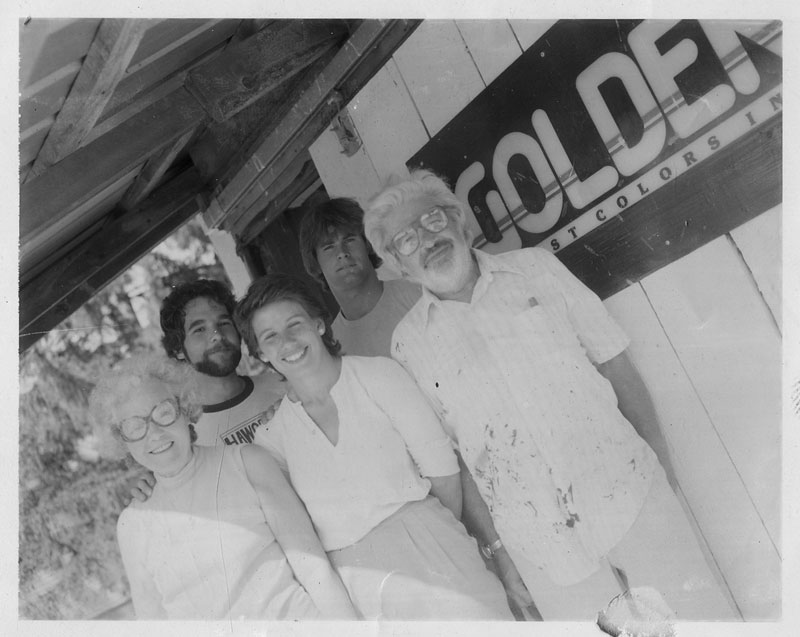
We hope Just Paint has been a valuable resource for artists, educators, material scientists and conservators to allow us to share our research and insights on the range of products we produce. I am seizing this space to extend a personal thank you to all of you who have supported our
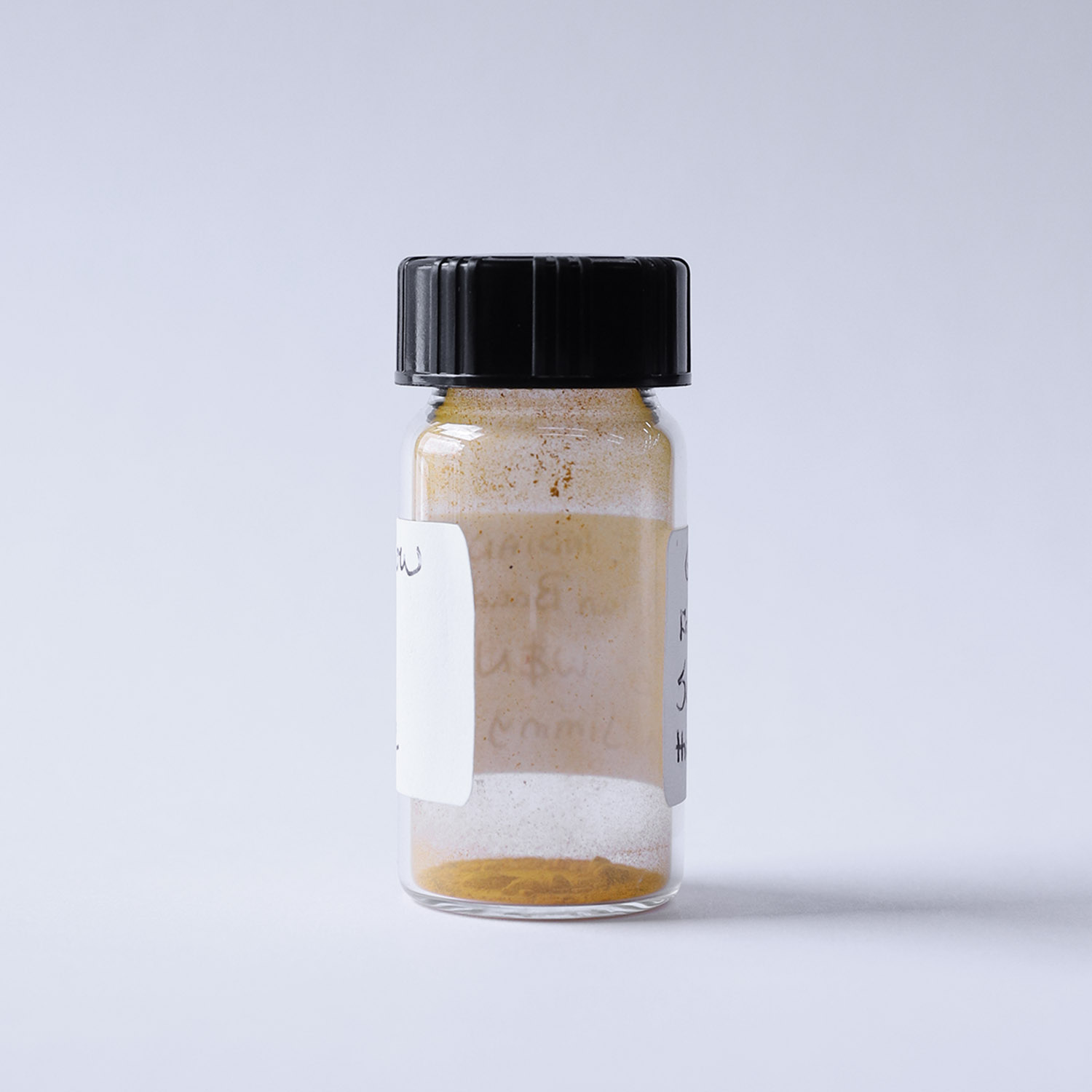
Genuine Indian Yellow was prized for its transparency, depth of color and mixing properties with notable applications in landscape painting. Its origin was and is still, a curiosity. Recently, a 19th c. sample of Indian Yellow pigment was generously donated to Golden Artist Colors by Brian Baade, Paintings Conservator and
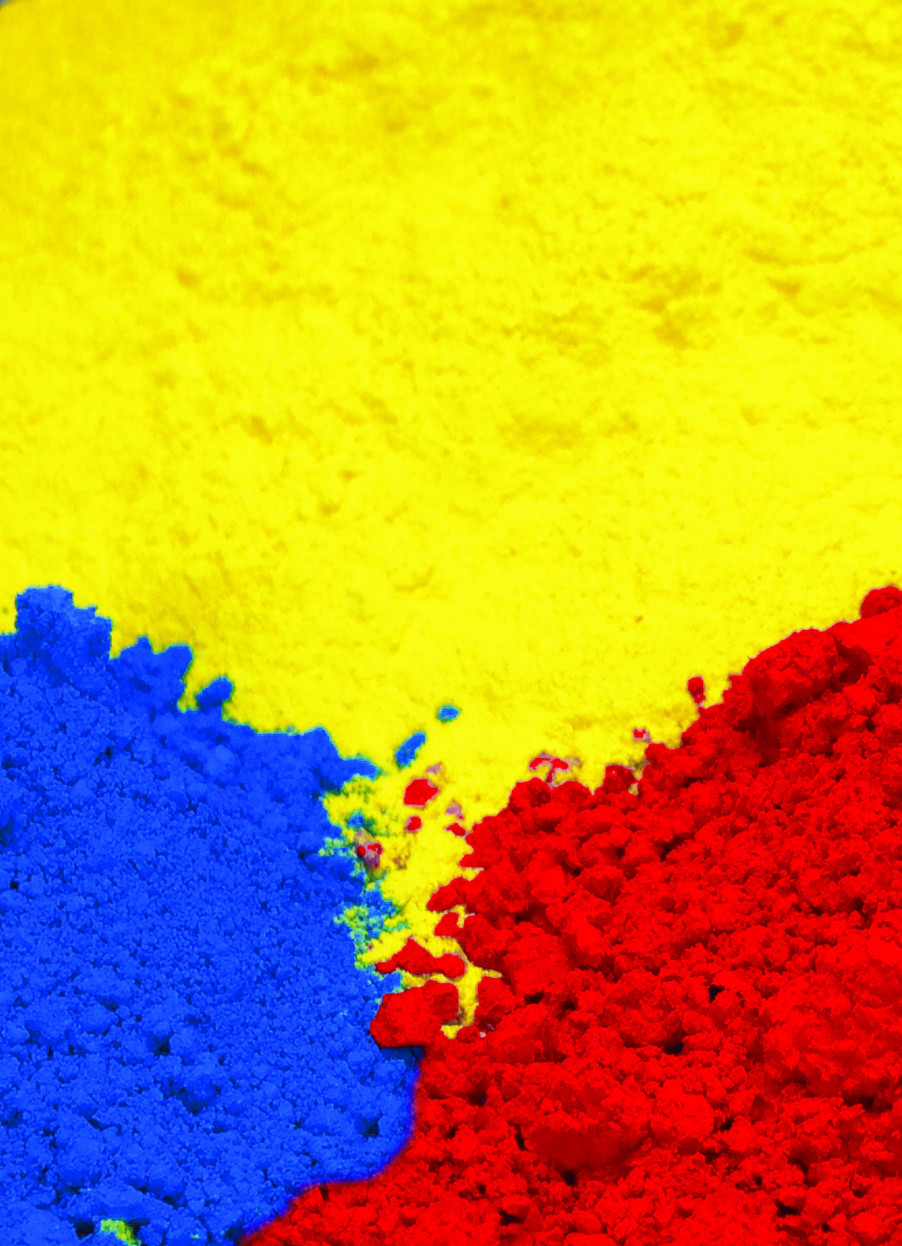
Have you ever stood in the aisle of your favorite art supply retailer, or stared online at a color chart with awe (and maybe a little bit of intimidation) of the vast selection before you? The workhorse behind this range of colors is pigment – finely powdered insoluble particles available